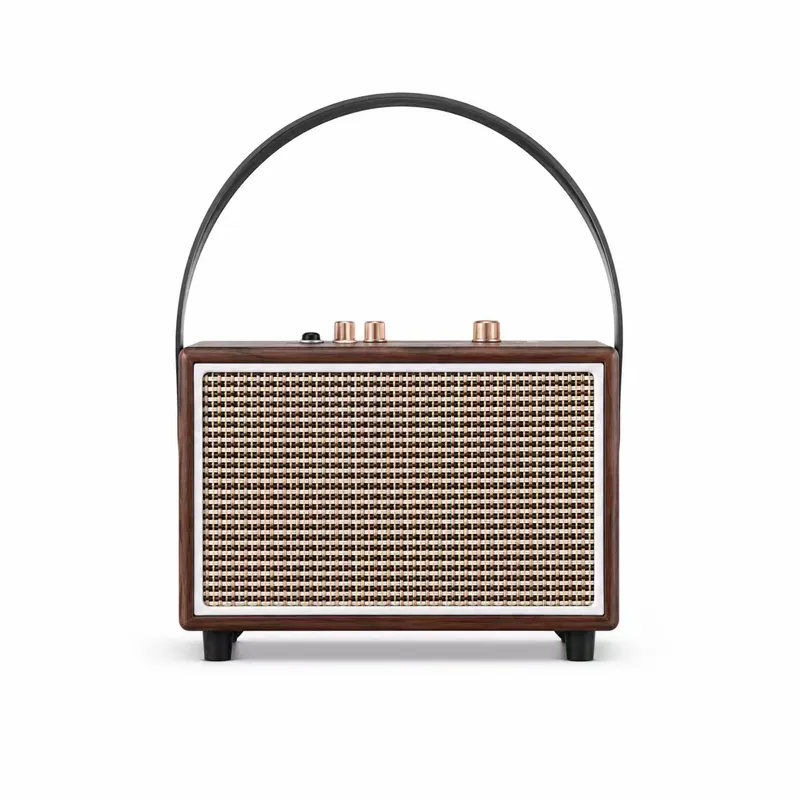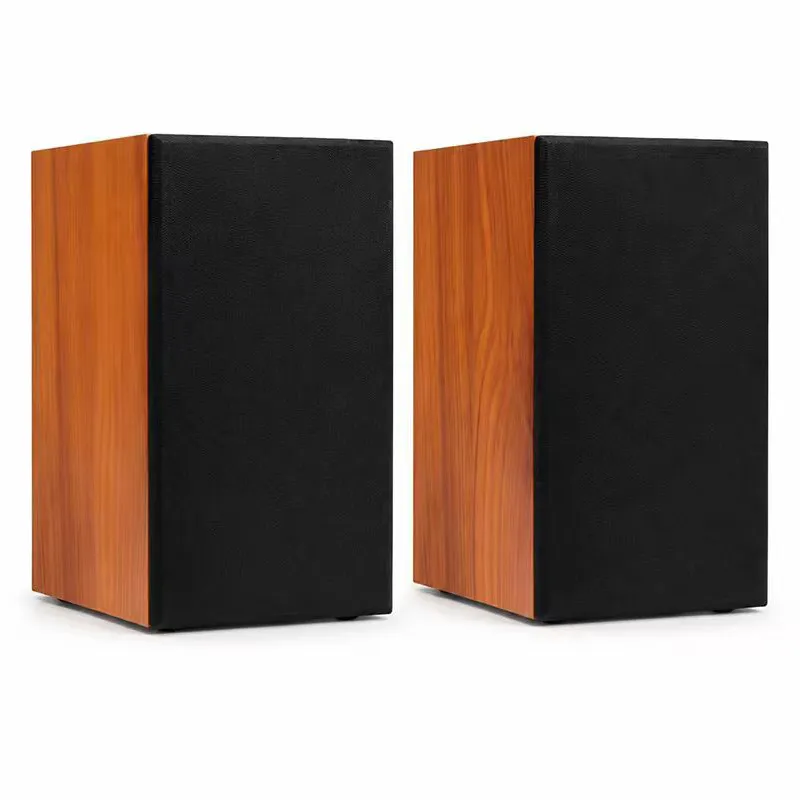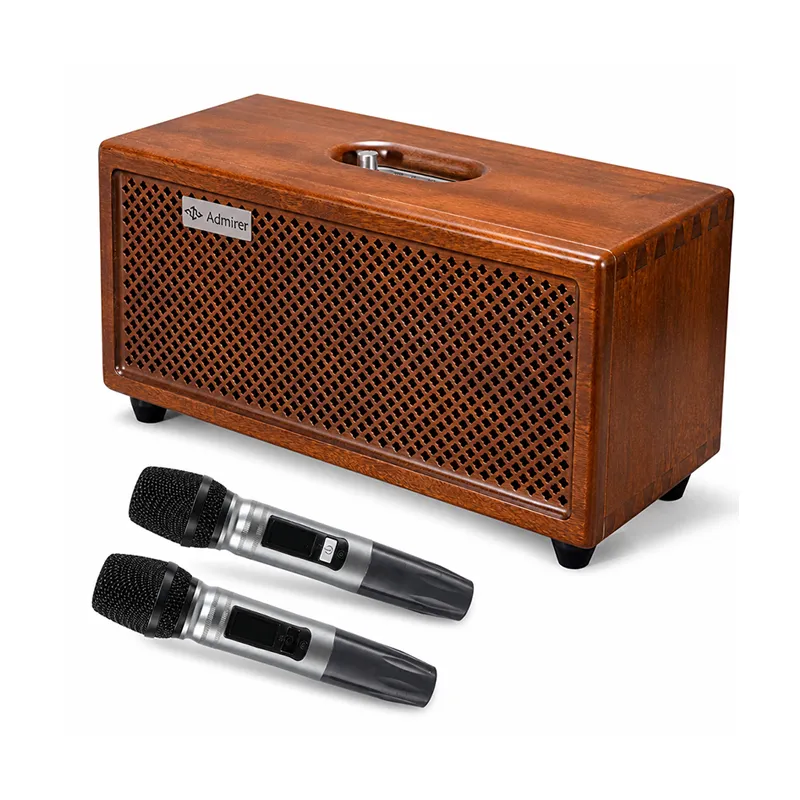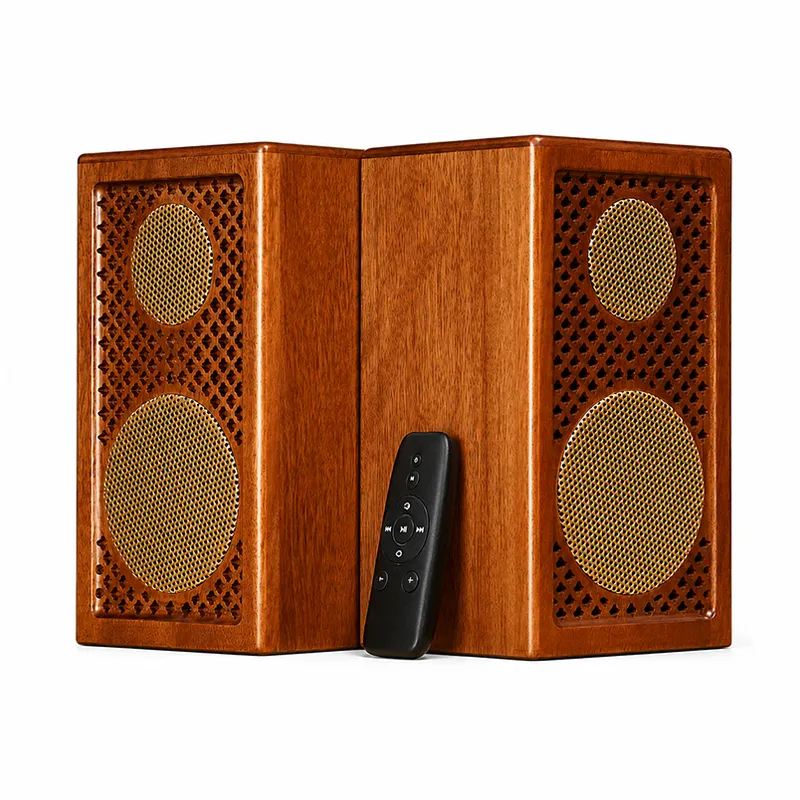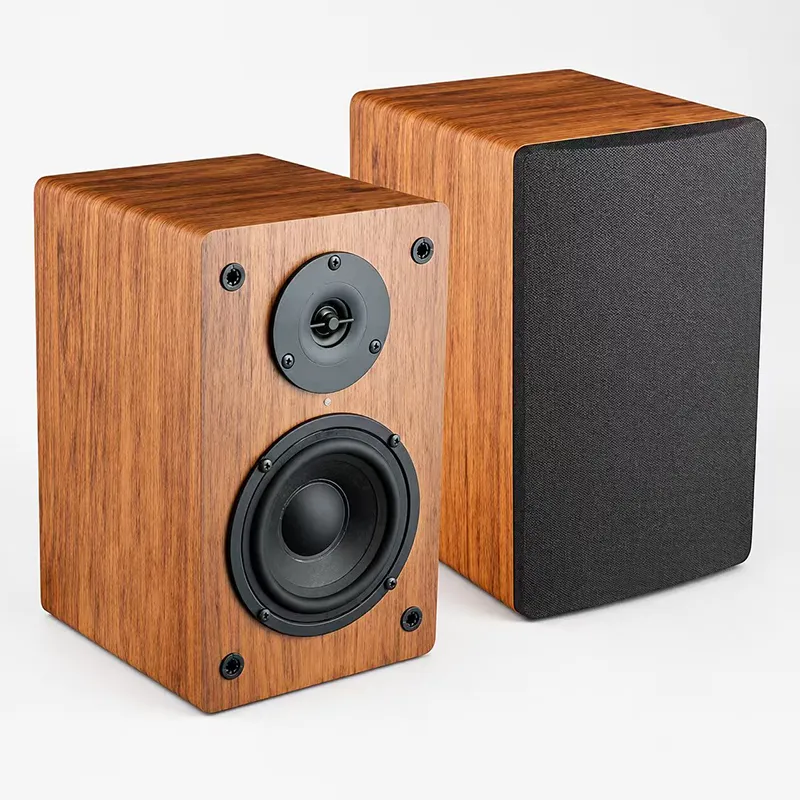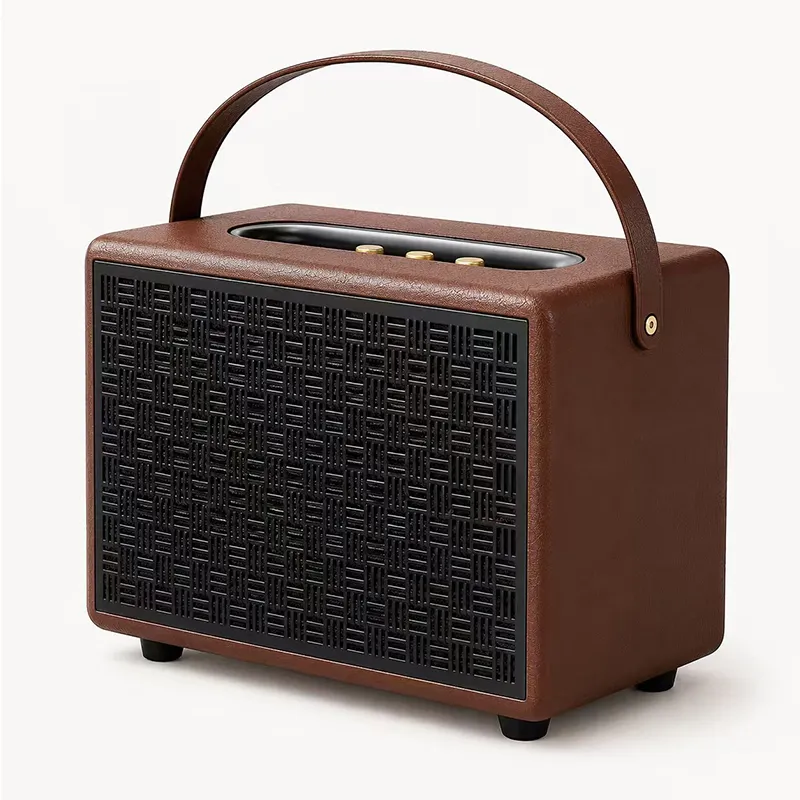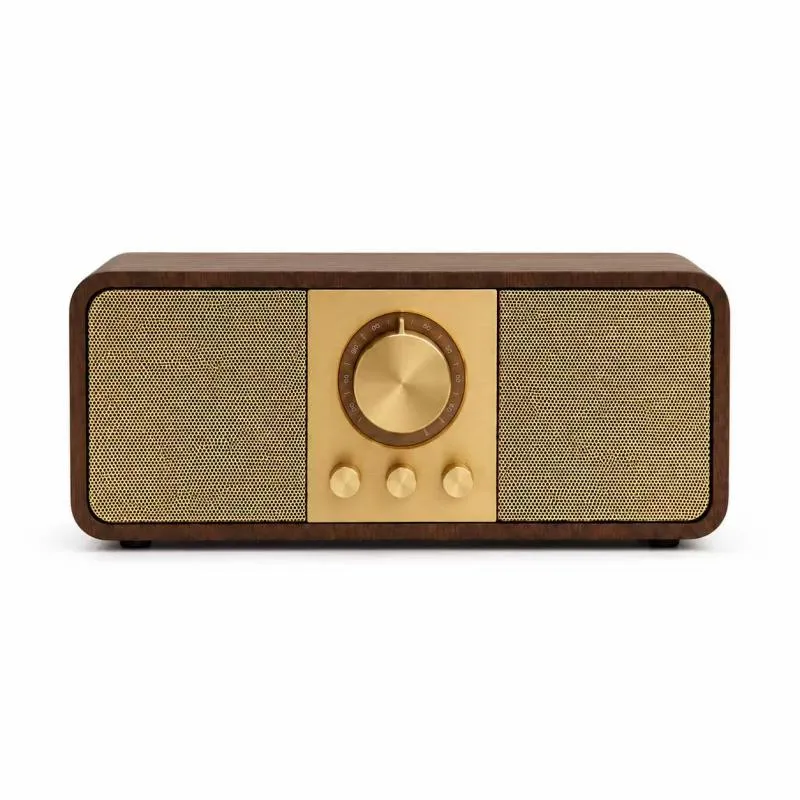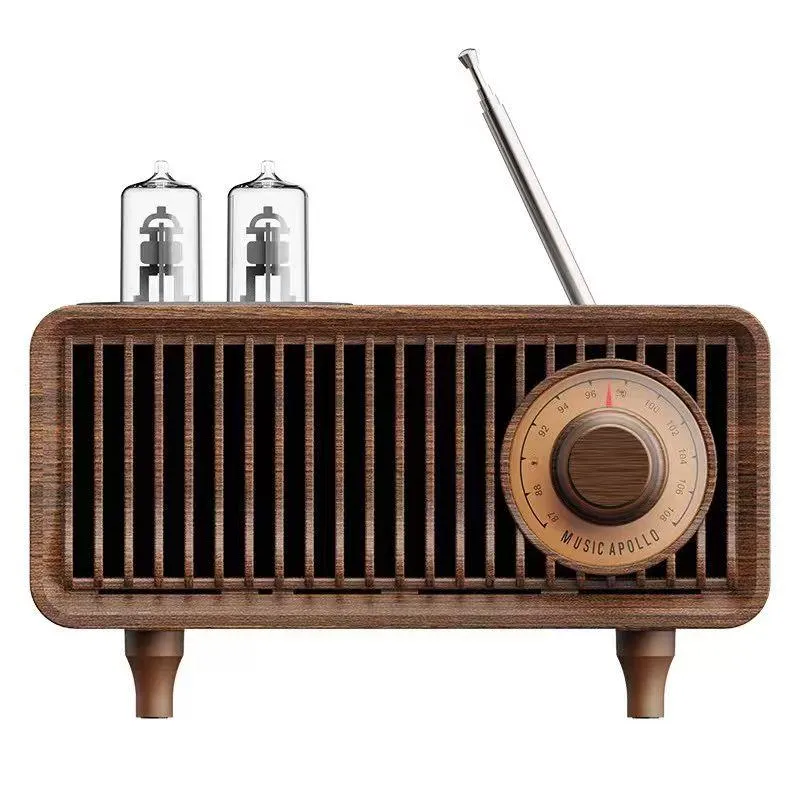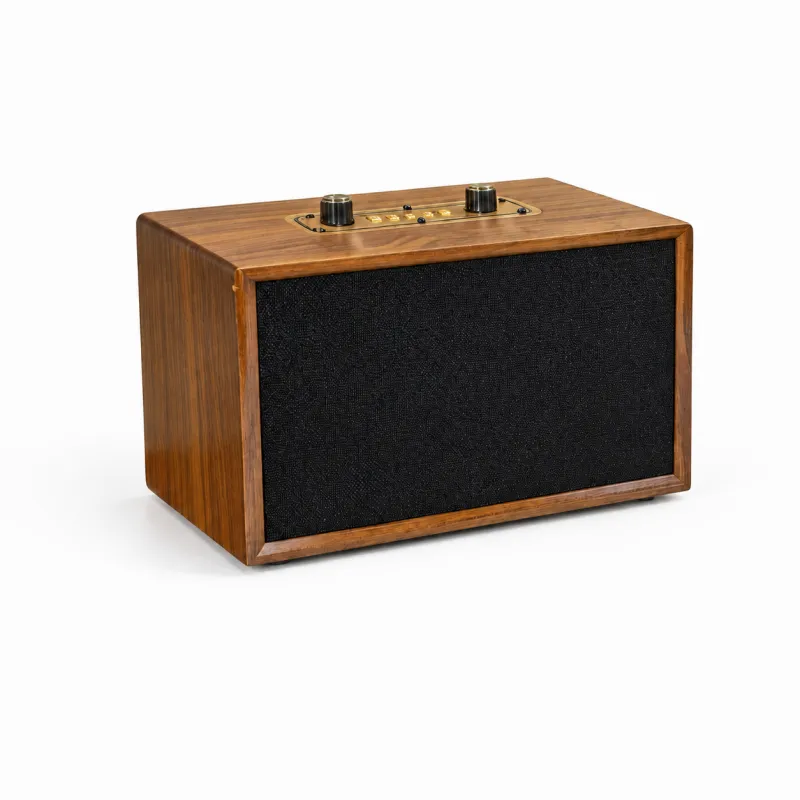



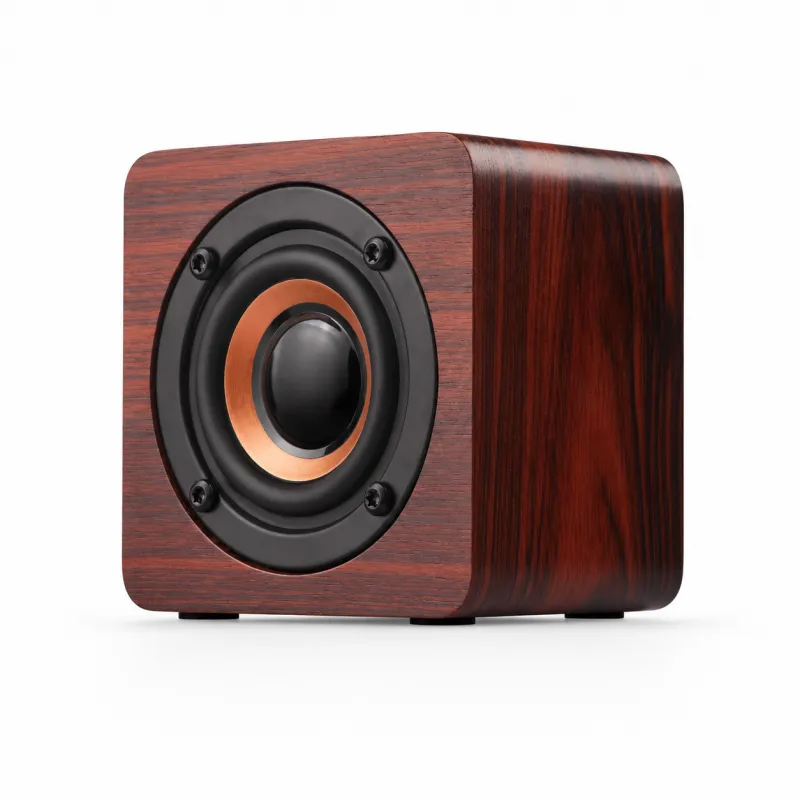






When people talk about speaker quality, they often focus on the driver unit, magnet system, crossover design, or sound tuning. However, the speaker cabinet is also a very important part of the whole audio system.
A good speaker cabinet is not only a box that holds the speaker drivers. It also needs to control vibration and reduce unwanted sound. During operation, the speaker driver moves back and forth very quickly. This movement creates sound waves, but it also creates mechanical energy that can transfer to the cabinet walls.
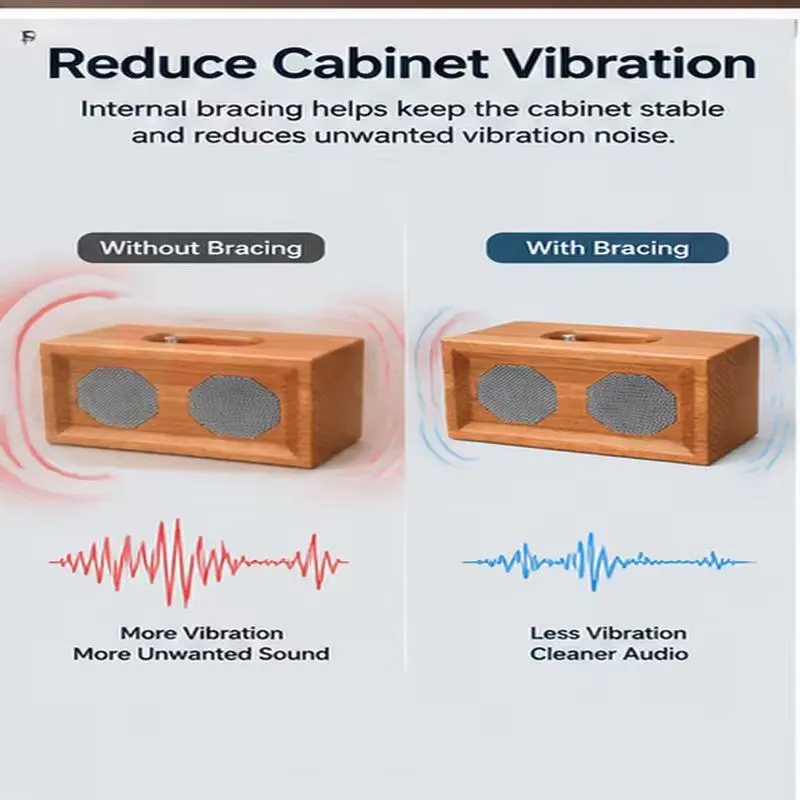
If the cabinet is not strong enough, the panels may vibrate and create additional sound. This unwanted vibration can affect the original audio signal and reduce sound clarity.
This is why many professional speaker manufacturers use cabinet bracing technology. Internal bracing helps make the cabinet stronger, reduces resonance, and improves overall sound performance. A properly designed brace structure can reduce cabinet movement and prevent unwanted coloration of sound.

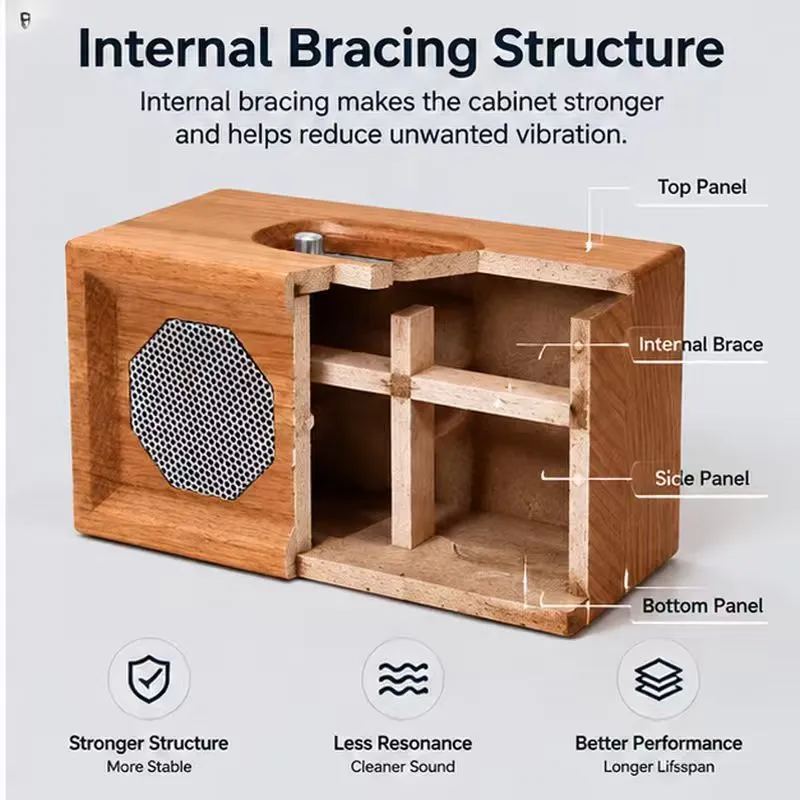
Speaker cabinet bracing is a structural reinforcement method used inside the speaker enclosure. It usually includes wooden panels, cross supports, internal frames, or special reinforcement structures that connect different parts of the cabinet.
The main purpose of bracing is simple:
To make the cabinet more rigid and reduce unnecessary vibration.
Without internal bracing, large cabinet panels can easily move when the speaker produces high sound pressure levels, especially during low-frequency playback.
For example, when a woofer produces deep bass, the air pressure inside the cabinet changes continuously. These pressure changes push against the cabinet walls. If the cabinet walls are flexible, they can vibrate like a drum surface.
This vibration produces extra sound that was not included in the original audio signal.
Cabinet bracing helps control this movement by creating a stronger internal structure.

Every physical material has its own natural resonance frequency. When an external force reaches a similar frequency, the material can vibrate strongly.
A speaker cabinet is affected by several types of energy:
· Driver movement
· Internal air pressure
· Low-frequency sound waves
· Mechanical vibration from the speaker unit
When these energies transfer to the cabinet panels, the panels may start vibrating.
This creates several problems:
Cabinet vibration adds extra sound to the original music signal. The listener may hear changes in tone, especially in the mid-frequency range.
The speaker is no longer producing only the sound from the driver. The cabinet itself becomes another sound source.
Low frequencies create strong mechanical energy. If the cabinet moves during bass playback, some energy is lost through cabinet vibration.
As a result, the bass may become:
· Less controlled
· Less accurate
· Less powerful
A rigid cabinet allows the woofer to work more efficiently.
Small vibrations can affect the accuracy of music details. This can make vocals, instruments, and high-resolution audio sound less clear.
For high-quality speaker systems, reducing cabinet vibration is an important design goal.

Cabinet bracing works mainly by increasing the strength and stiffness of the enclosure.
A simple cabinet wall can easily flex under pressure. Adding internal braces changes the structure and makes the whole cabinet stronger.
The main effects include:
1. Increasing Cabinet Stiffness
The first function of bracing is to increase mechanical stiffness.
When internal supports connect opposite cabinet panels, the panels become harder to move.
For example:
· Front panel connects with rear panel
· Side panels connect with top and bottom panels
· Internal frames reinforce weak areas
The stronger structure reduces cabinet movement during speaker operation.
A stiffer cabinet means more energy from the amplifier goes into moving the speaker cone instead of shaking the enclosure.
2. Reducing Panel Resonance
Large flat cabinet surfaces are more likely to vibrate.
Internal bracing divides large panels into smaller sections. Smaller sections have higher resonance frequencies and lower vibration movement.
This reduces the possibility of unwanted cabinet noise.
Many speaker designs use different brace positions depending on cabinet size and driver power. The goal is not simply adding more material, but placing the reinforcement where vibration is strongest.
3. Improving Bass Response
Bass frequencies create the strongest vibration inside a speaker cabinet.
A weak cabinet may produce a loose or unclear bass sound because the enclosure moves together with the woofer.
With proper bracing:
· The cabinet stays stable
· The woofer moves more accurately
· Bass becomes tighter and cleaner
This is especially important for professional audio speakers, studio monitors, and high-power sound systems.

Different speaker manufacturers use different bracing designs according to cabinet size, material, and application.
Cross Bracing
Cross bracing is one of the most common methods.
A support panel connects two opposite cabinet walls, creating a stronger structure.
Advantages:
· Simple design
· High strength improvement
· Suitable for many cabinet sizes
Window Bracing
Window bracing uses a panel with several openings, similar to a frame.
This design provides strong reinforcement while reducing extra weight.
Advantages:
· Good balance between strength and weight
· Better internal airflow
· Suitable for large speaker cabinets
Matrix Bracing
Matrix bracing uses multiple internal panels arranged in different directions.
This creates a very strong cabinet structure.
It is often used in premium speaker systems because it can significantly reduce cabinet vibration.
Corner Reinforcement
Corners are important areas because they connect multiple cabinet panels.
Additional corner support can improve cabinet strength and reduce stress points.

Cabinet material and bracing work together.
Common speaker cabinet materials include:
· MDF (Medium Density Fiberboard)
· Plywood
· Wood composites
· Aluminum
· Composite materials
Each material has different vibration characteristics.
For example, MDF is widely used because it has good density and damping properties. However, large MDF panels can still vibrate without proper reinforcement.
Adding bracing improves the overall mechanical performance.
A well-designed cabinet usually combines:
· Strong material
· Proper thickness
· Internal bracing
· Acoustic damping materials
All these elements work together to control unwanted vibration.
Many people think cabinet bracing only affects durability, but it has a direct influence on sound quality.
A properly reinforced cabinet provides several benefits:
Reduced cabinet vibration allows vocals and instruments to sound more natural.
The woofer can move freely without losing energy through cabinet movement.
Lower vibration levels help improve stereo detail and sound positioning.
A stronger cabinet can handle higher sound pressure levels without unwanted noise.
Modern speaker design is not only about selecting a powerful driver. Every part of the speaker system must work together.
The cabinet plays a supporting role for the driver. If the cabinet vibrates too much, even an excellent driver cannot achieve the best performance.
For professional speaker manufacturers, cabinet design includes:
· Computer simulation
· Vibration testing
· Acoustic measurement
· Material selection
· Structural optimization
The goal is to create a cabinet that remains stable during operation.
Speaker cabinet bracing is an important technology for improving sound performance. By increasing cabinet stiffness and reducing unwanted vibration, internal bracing helps the speaker produce cleaner, more accurate, and more powerful sound.
A high-quality speaker cabinet should not create additional sound. Its job is to support the driver and allow the original audio signal to be reproduced as accurately as possible.
For speaker manufacturers, proper cabinet reinforcement is not only a structural improvement but also an important part of acoustic engineering.
Through advanced cabinet design, strong materials, and optimized bracing structures, modern speakers can achieve better sound clarity, stronger bass response, and higher overall performance.