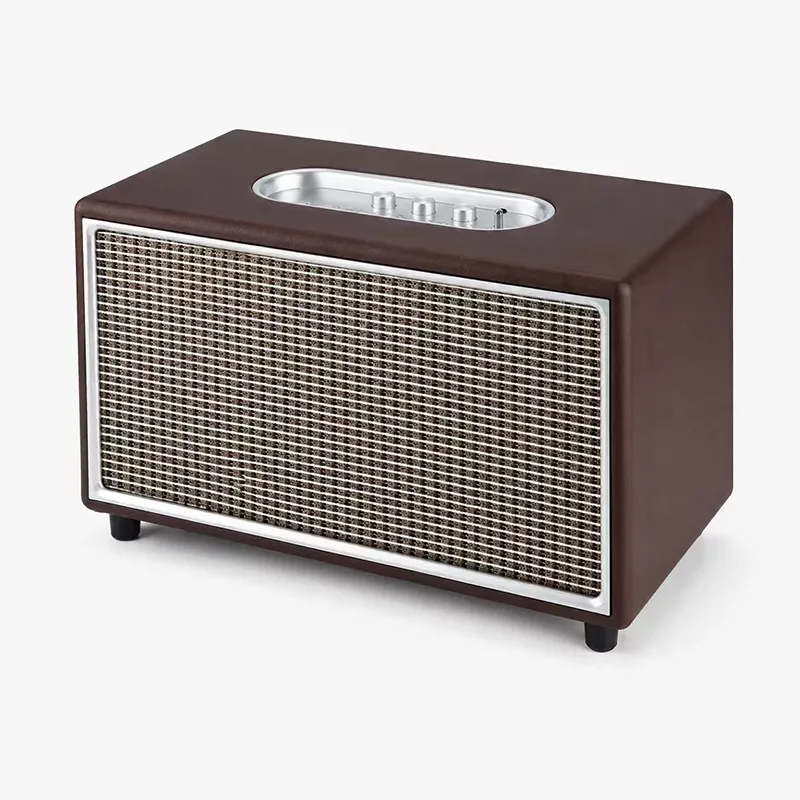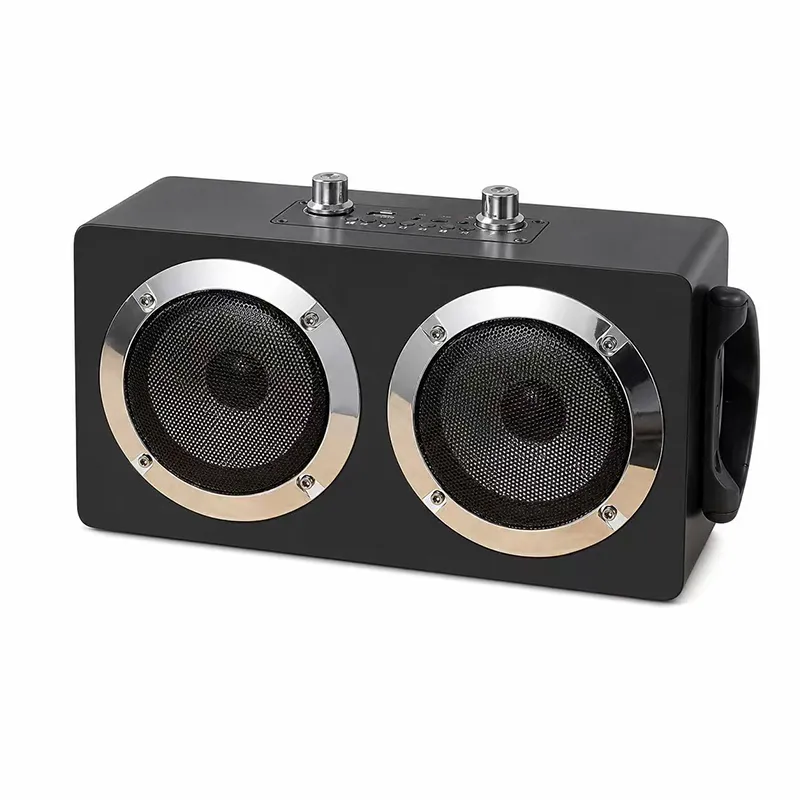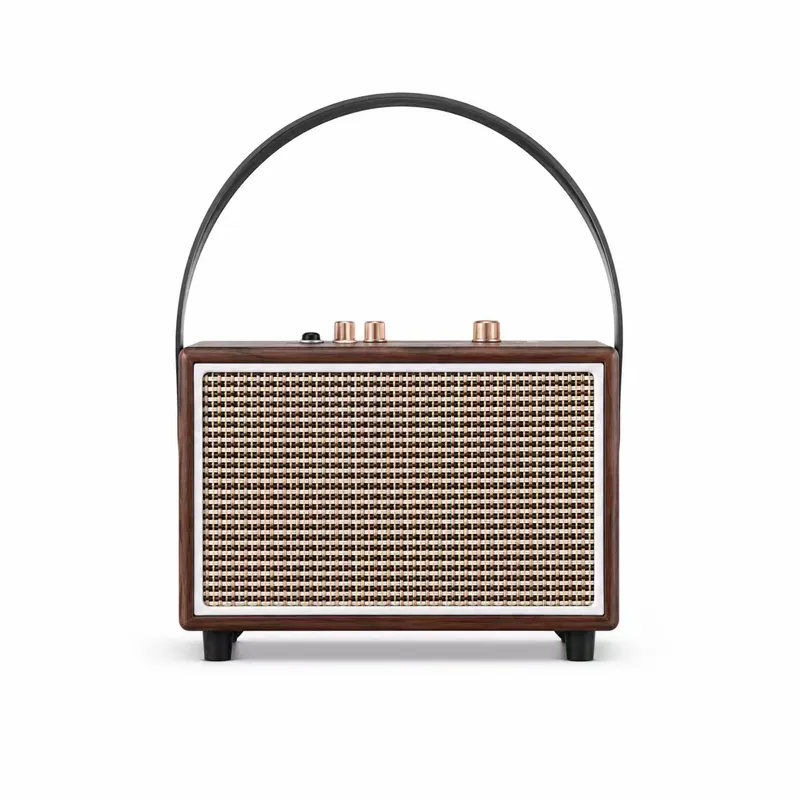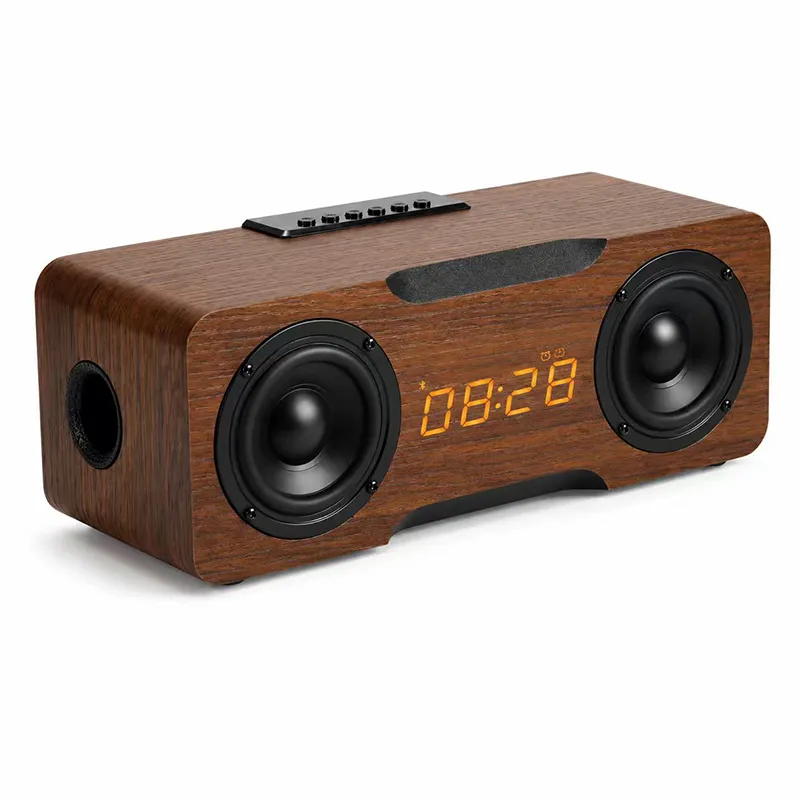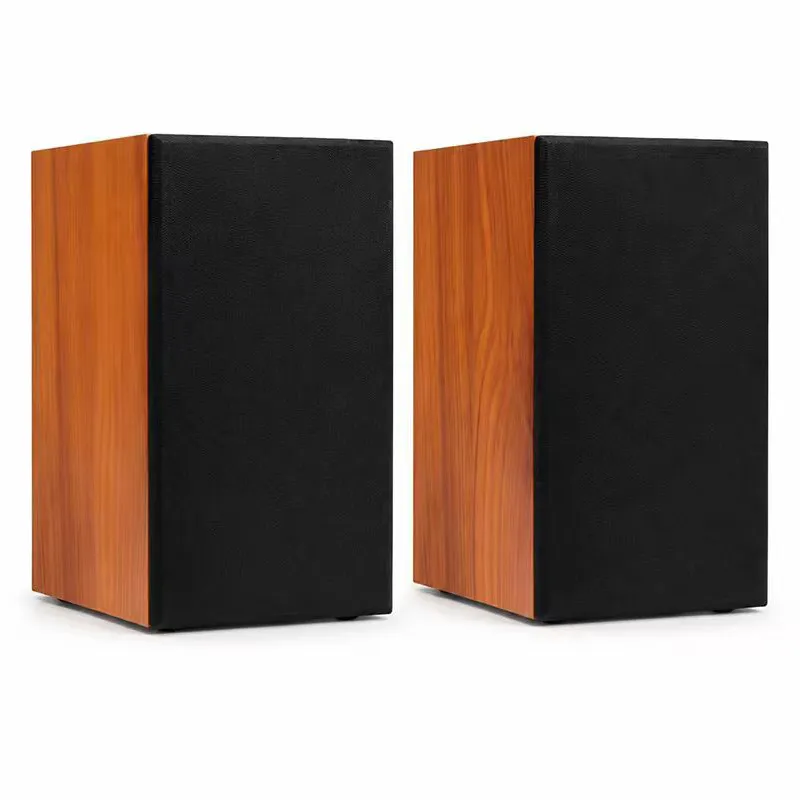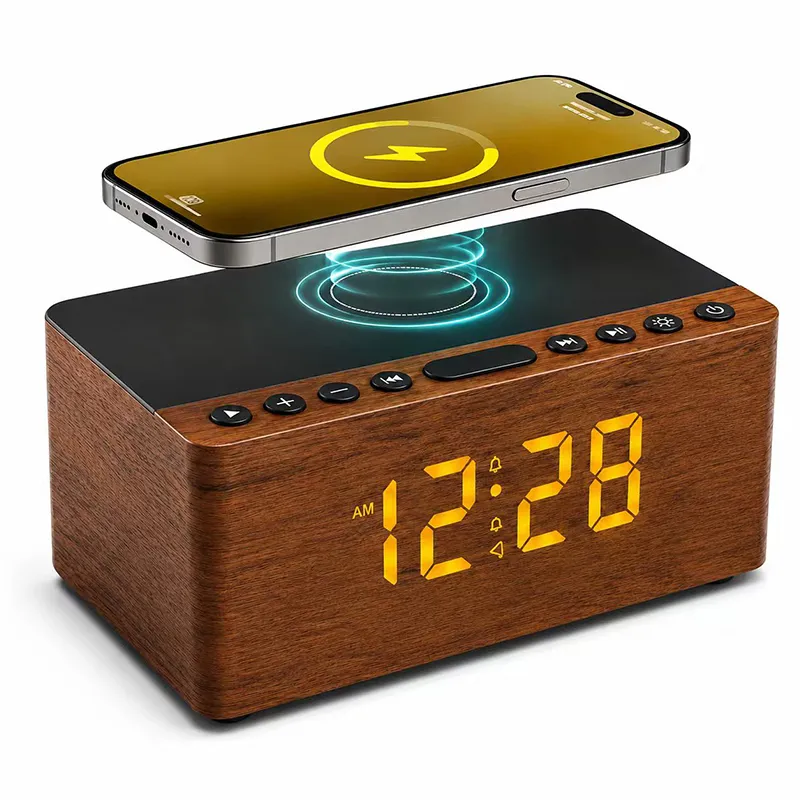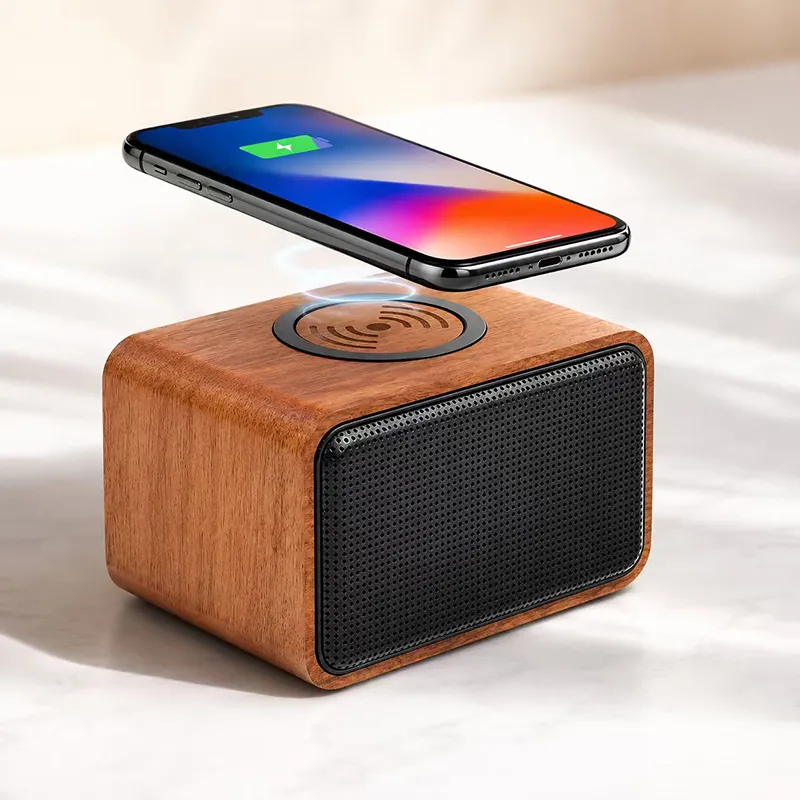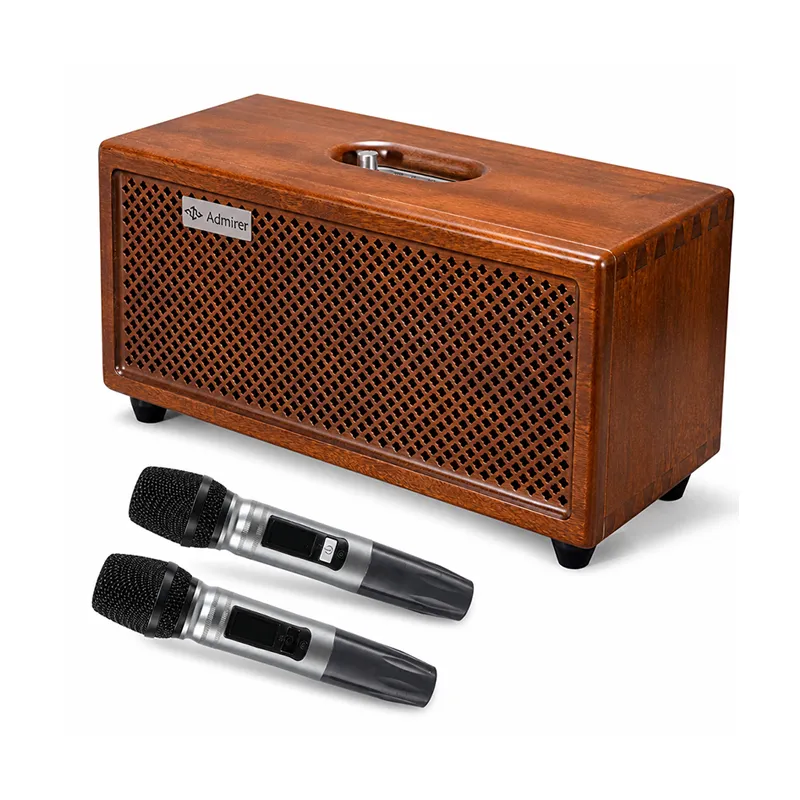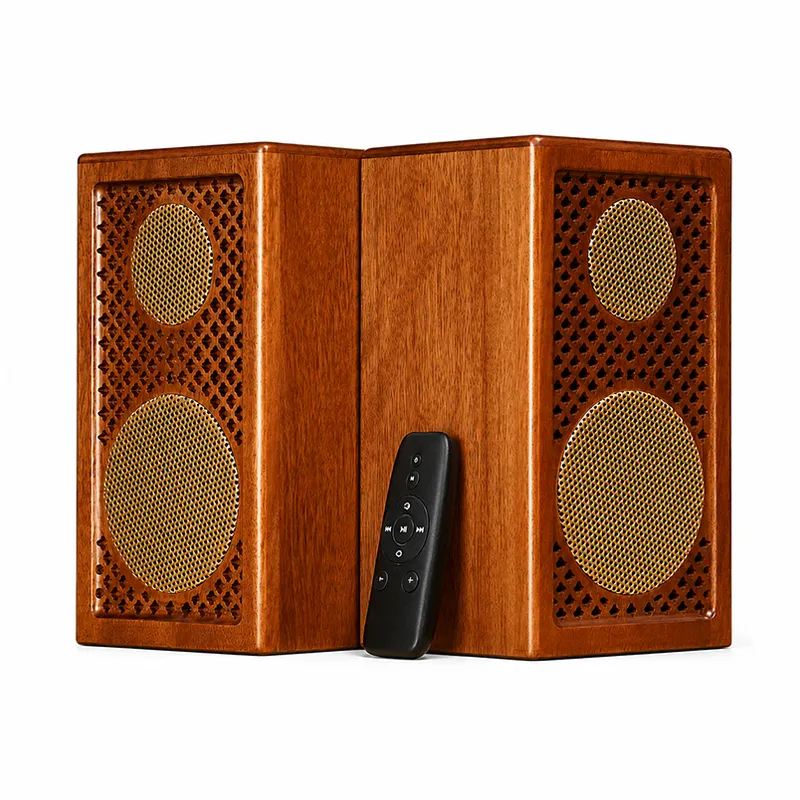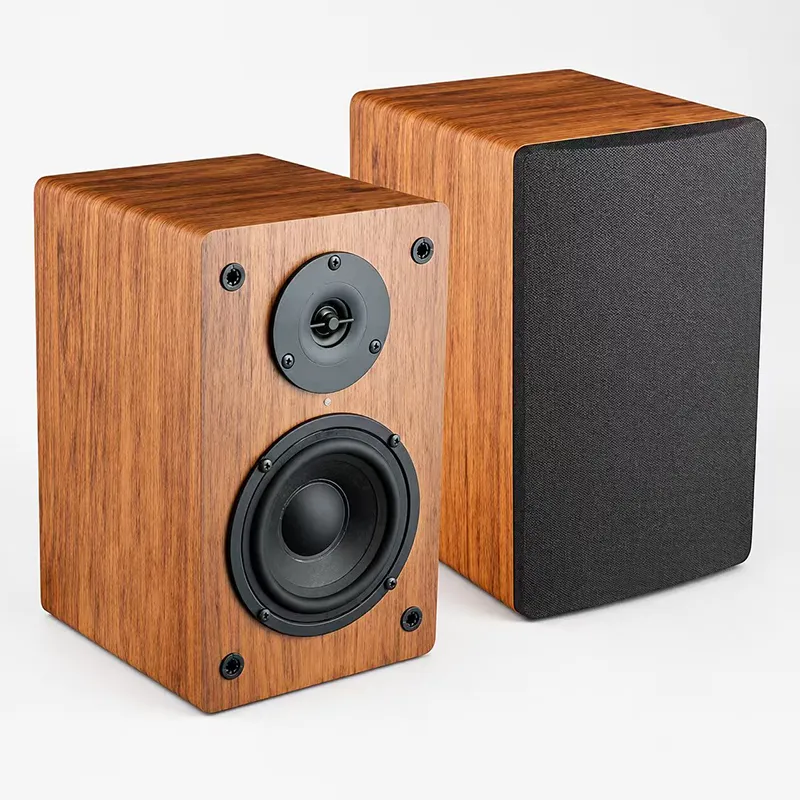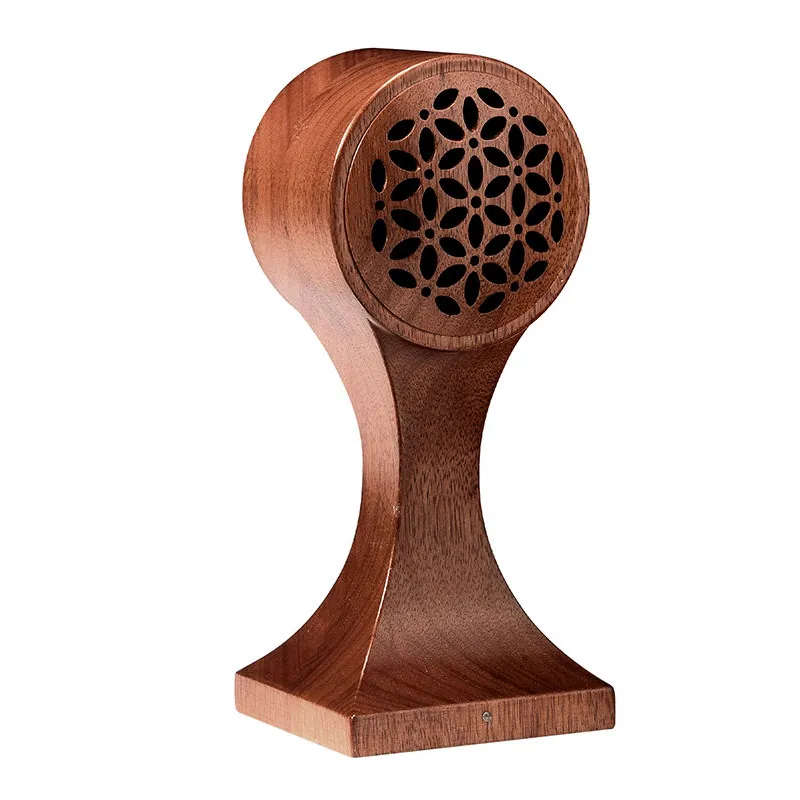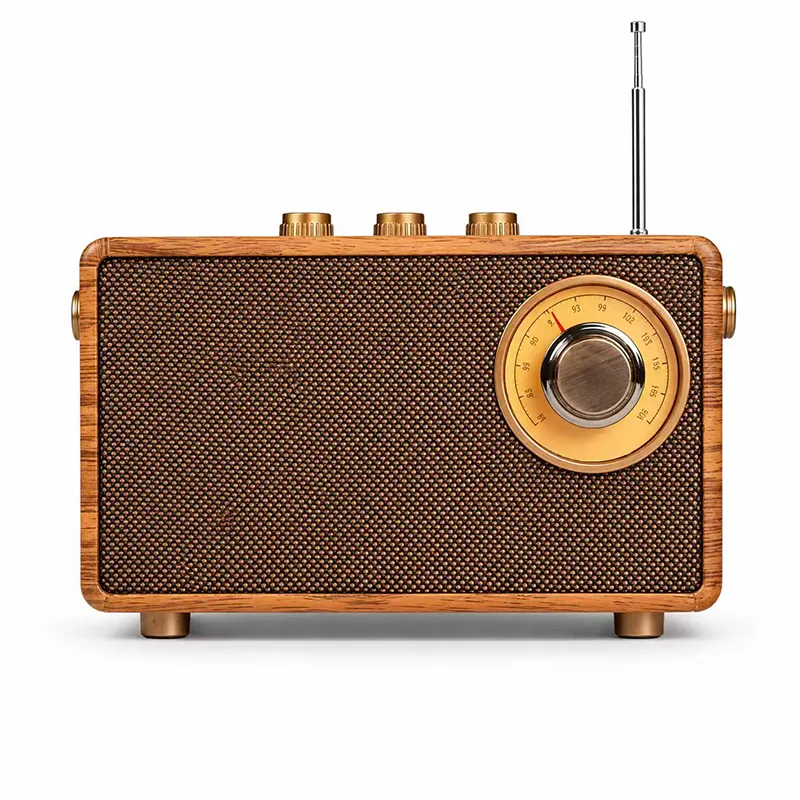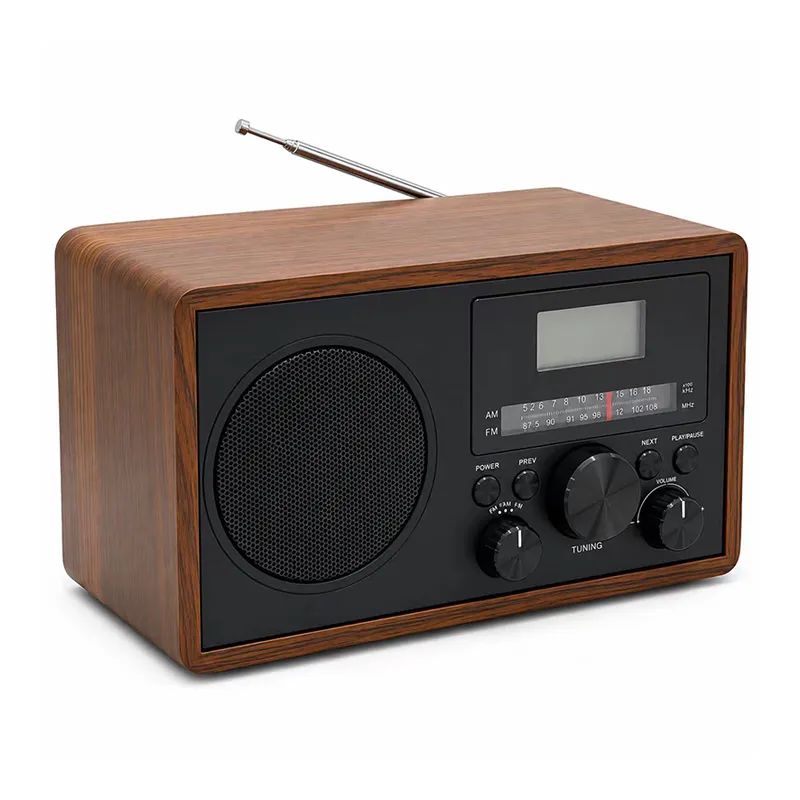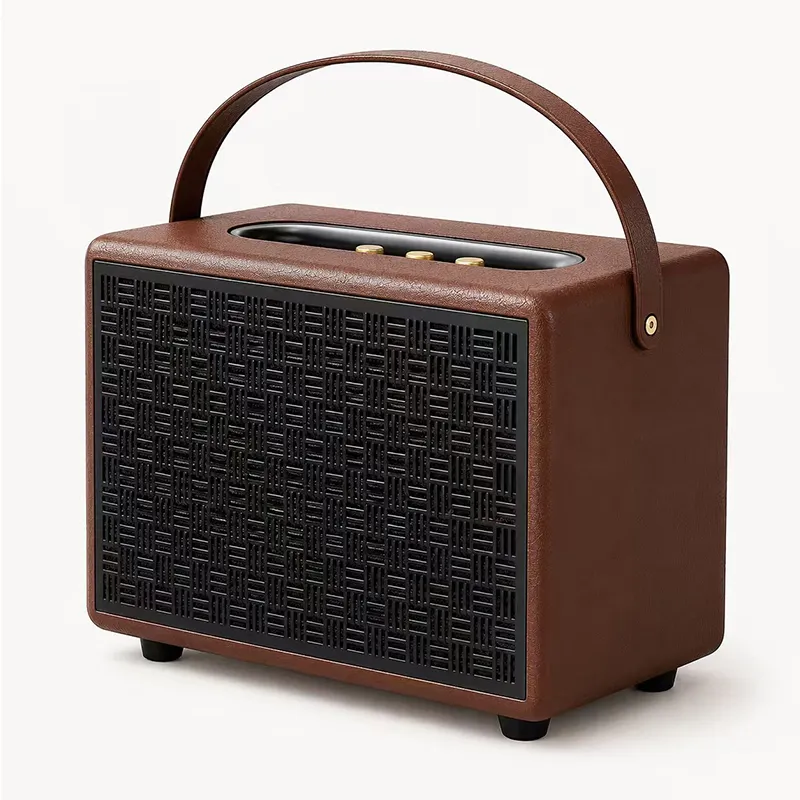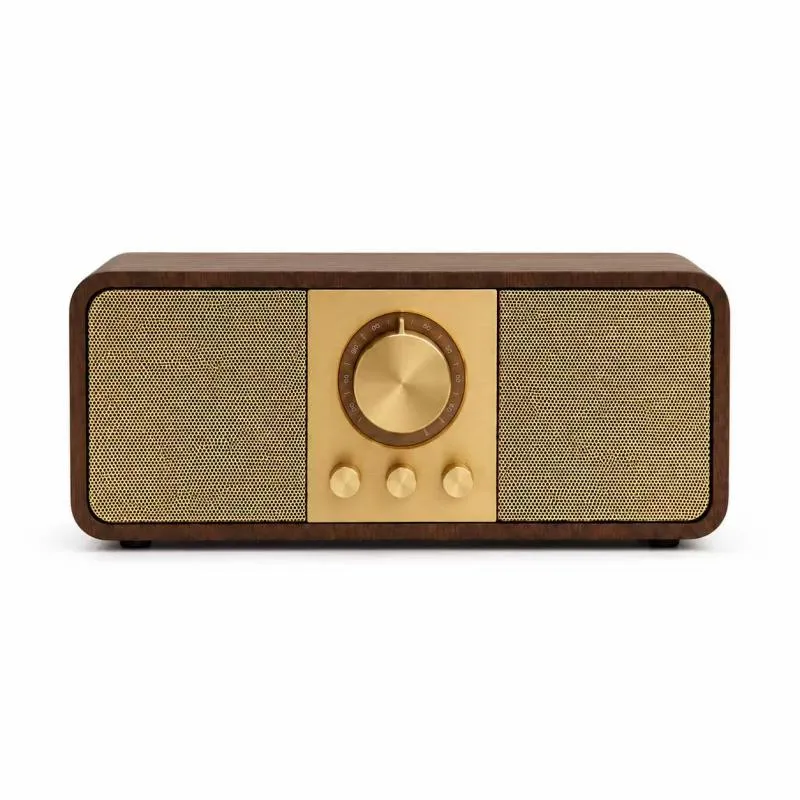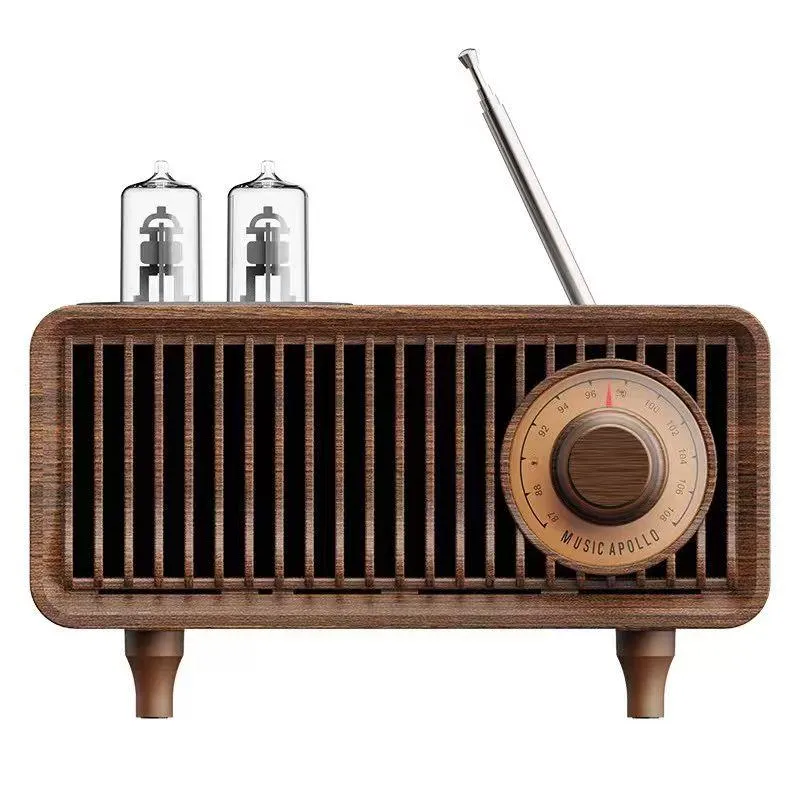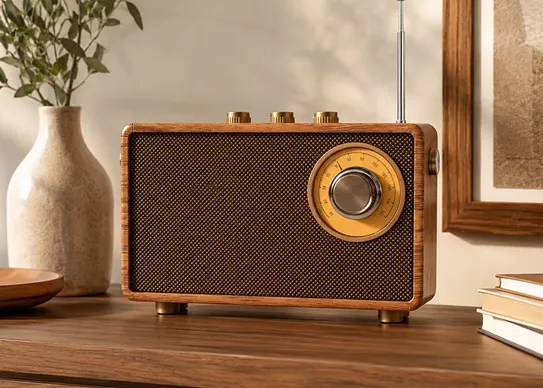

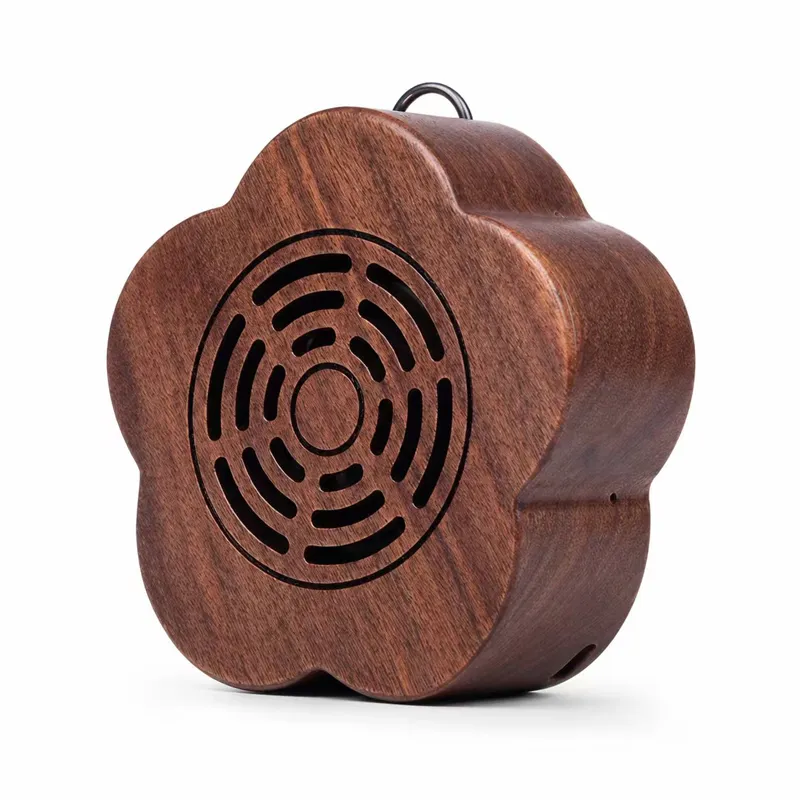
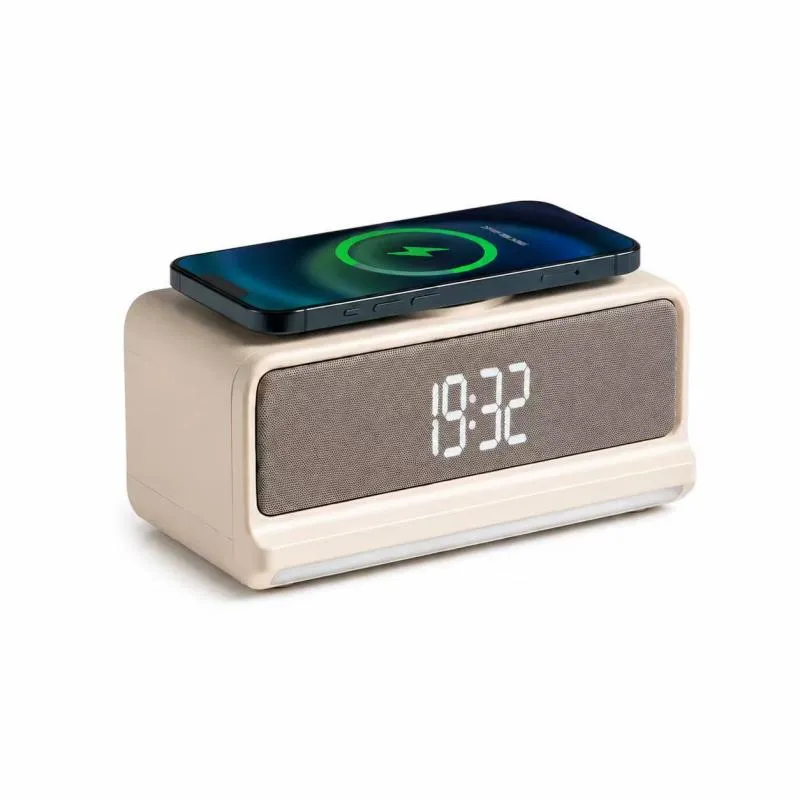
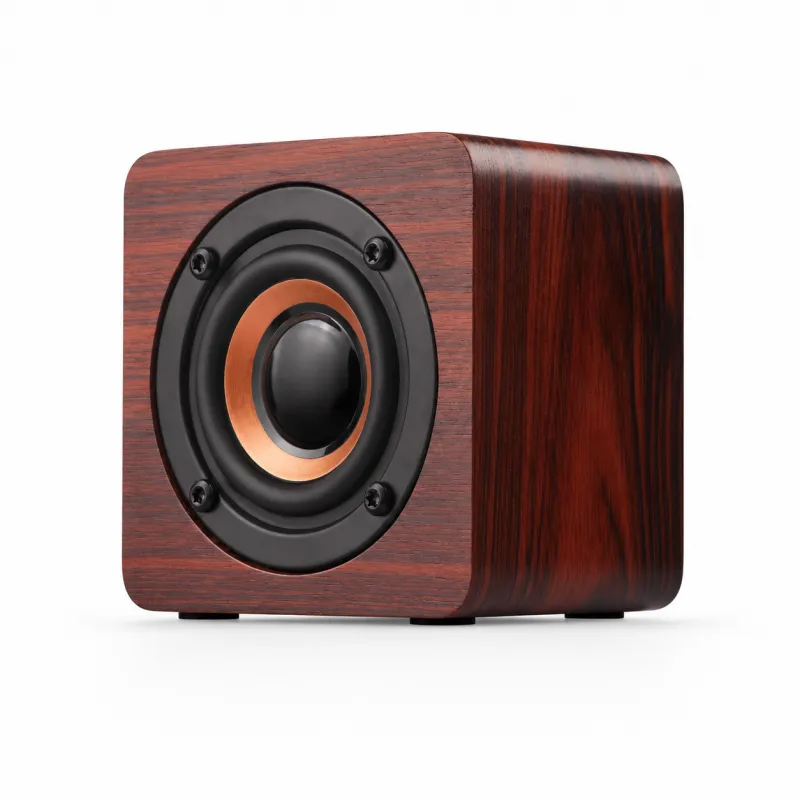





Portable Bluetooth speakers have become essential devices for music lovers, outdoor users, and home entertainment. However, many users reduce their speaker lifespan unintentionally due to improper charging habits, poor storage, and environmental exposure. This guide explains scientifically and practically how to maintain your portable Bluetooth speakers and extend their lifespan by up to 30–50%, based on common lithium battery degradation patterns and consumer electronics usage studies.
Portable Bluetooth speakers operate by receiving wireless audio signals through a Bluetooth module, converting them into digital audio processing signals, and then amplifying them through internal drivers powered by a built-in lithium-ion battery.Portable Bluetooth speakers consist of four core systems:Most portable models today rely on lithium-ion batteries ranging from 1200mAh to 5000mAh, which directly affects playback time (typically 6–24 hours per charge depending on volume level and output power).A key point many users overlook is that internal speaker drivers and batteries degrade at different speeds—battery wear is usually the first limiting factor in overall device lifespan.

Lithium-ion batteries used in portable Bluetooth speakers naturally degrade after approximately 300–500 full charge cycles, which is equivalent to about 2–3 years of daily use. To slow down this degradation process, the following practices are highly effective:
Keeping battery levels between 20% and 80% during daily use
Avoiding full discharge to 0% whenever possible
Preventing long-term overcharging beyond 100%
Using stable power sources (5V/1A–2A recommended chargers)
Real-world testing from consumer electronics studies shows that maintaining partial charge cycles instead of full cycles can improve battery lifespan by up to 40%, which significantly delays performance drop.
When speakers are not used for extended periods, improper storage conditions often cause more damage than daily usage. To maintain long-term stability:
Keep battery level around 40%–60% before storage
Store in environments between 15°C–25°C
Maintain humidity below 60% RH
Avoid sealed humid environments or direct sunlight exposure
If a speaker is left fully discharged for more than 90 days, there is a high risk of deep battery voltage drop, which can make recharging unstable or even impossible in some cases.
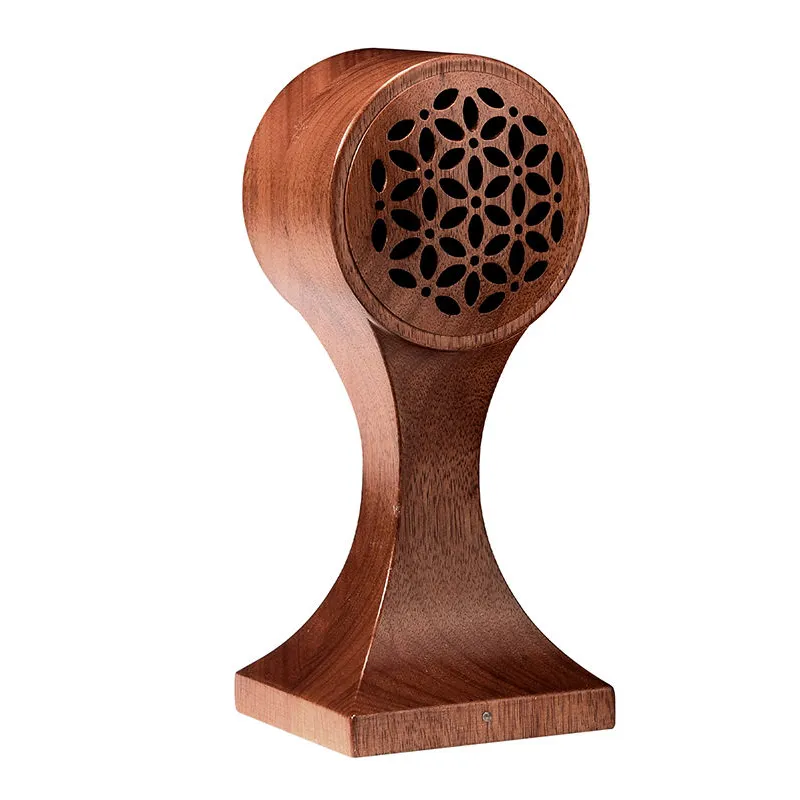
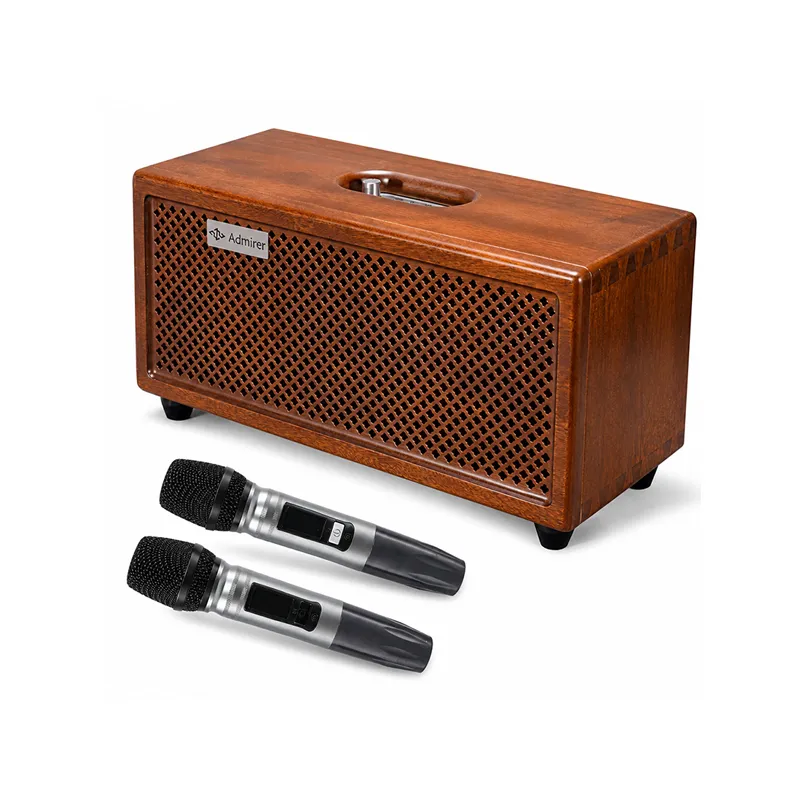
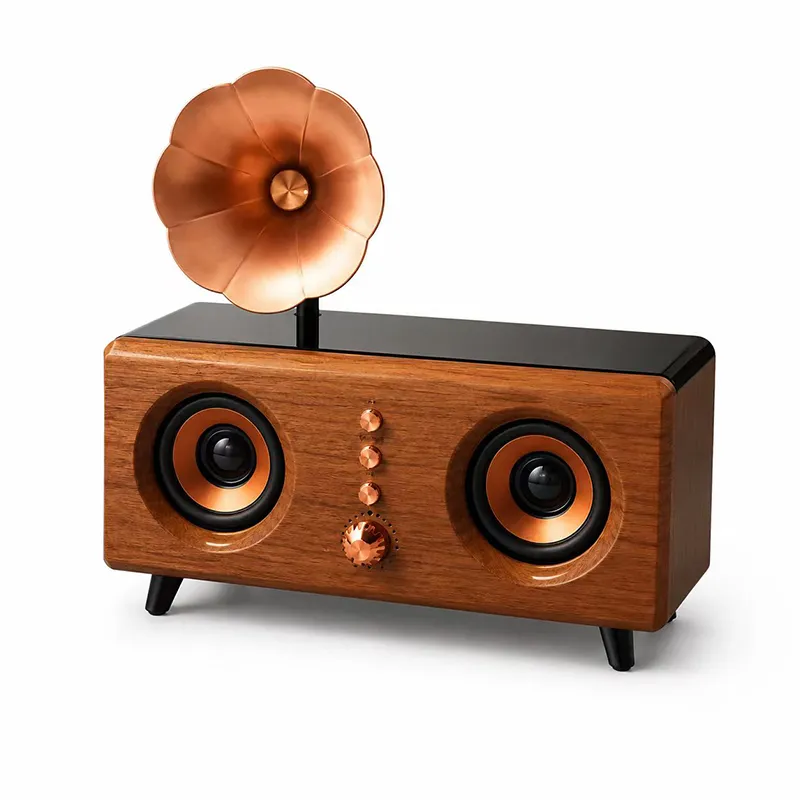
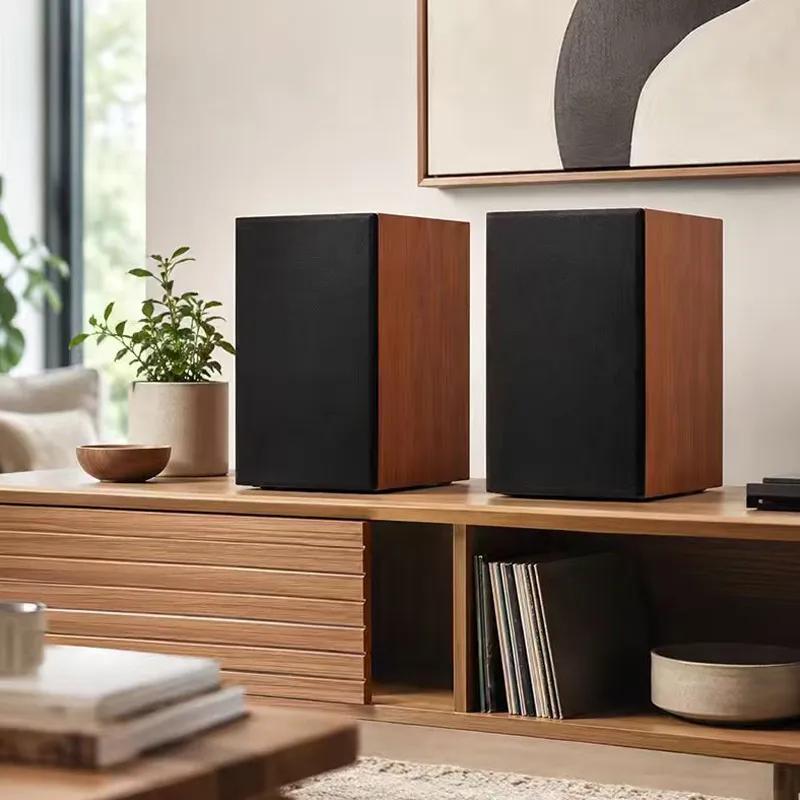
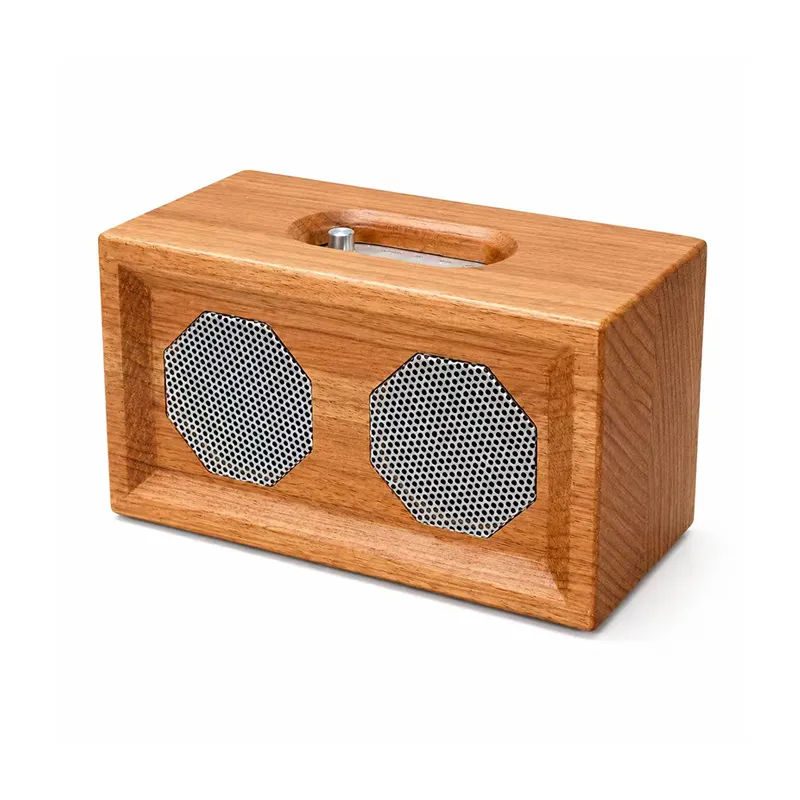
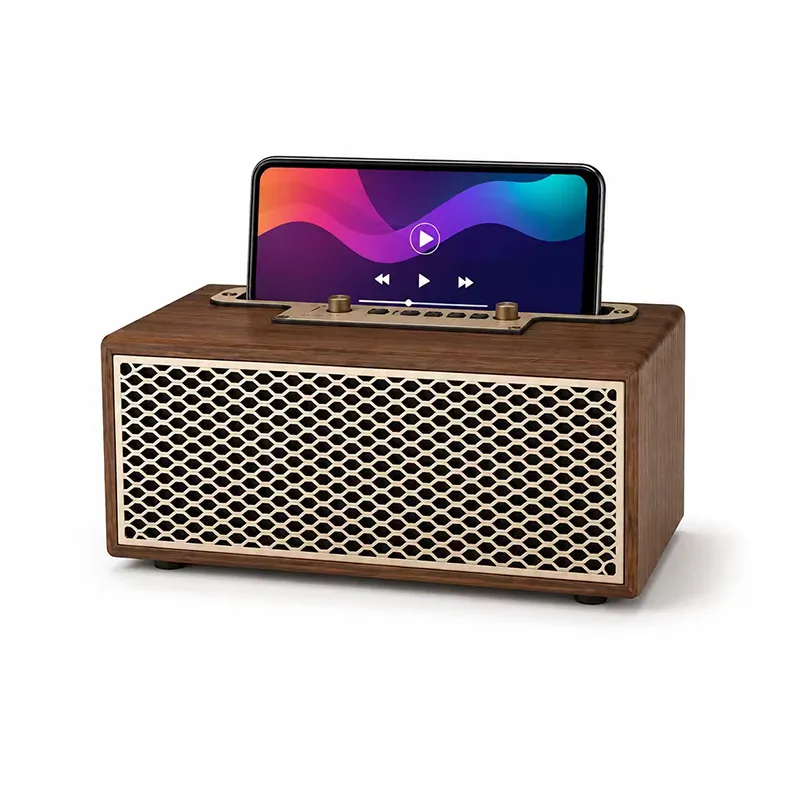
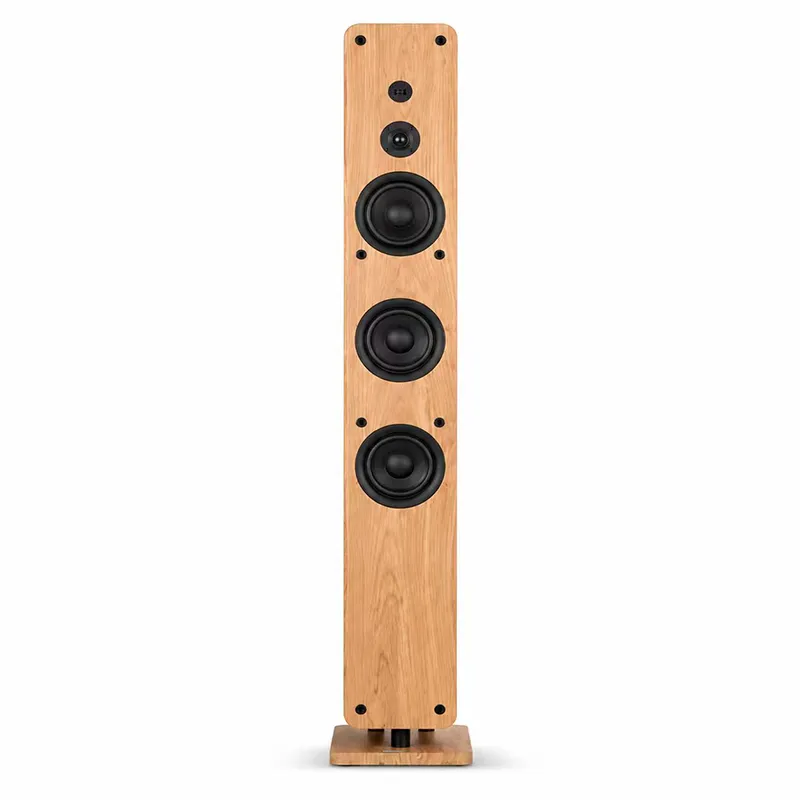
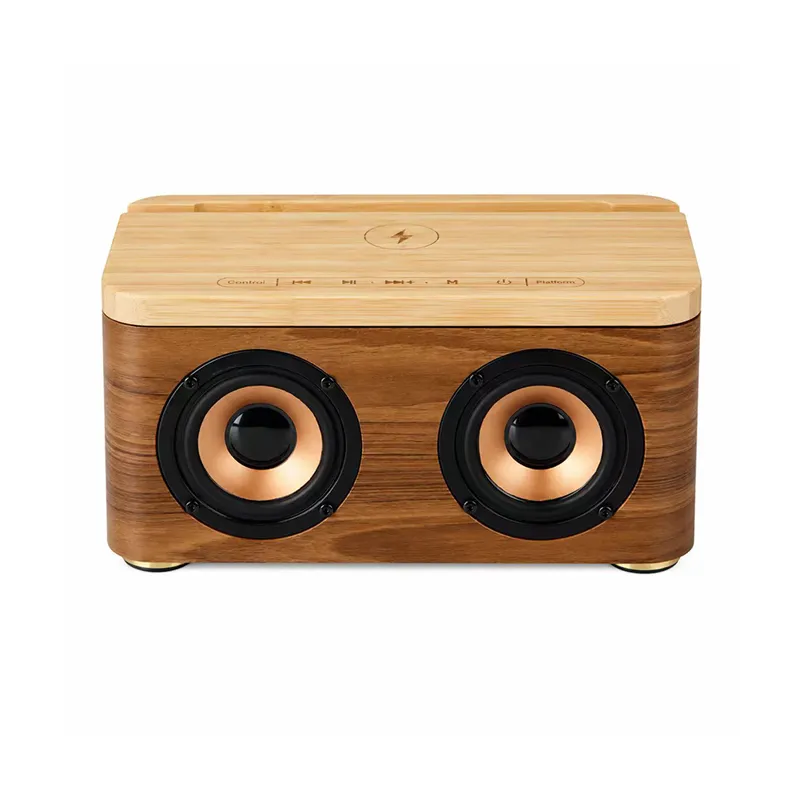
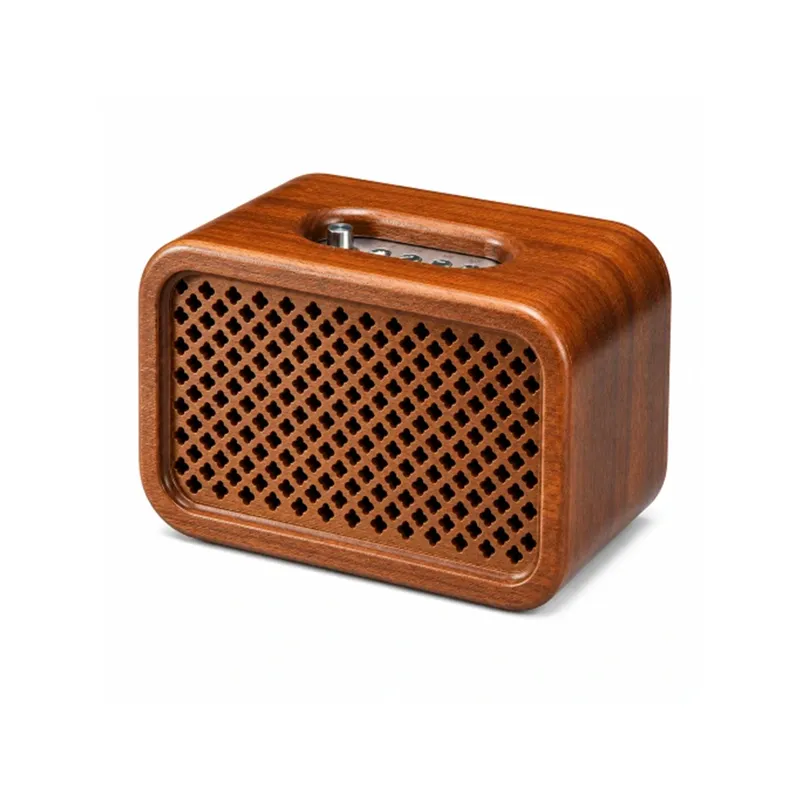
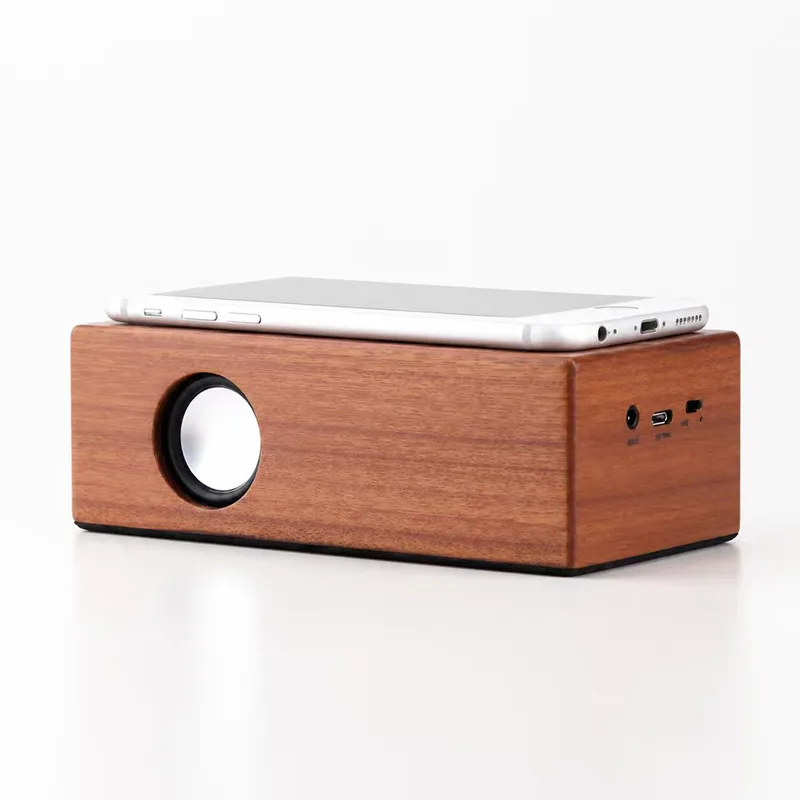
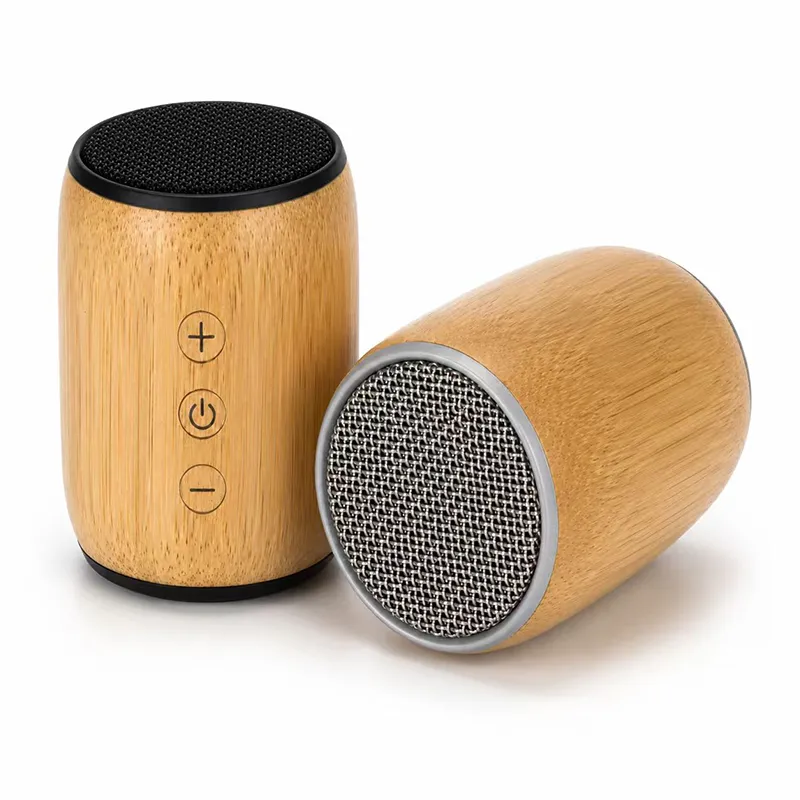
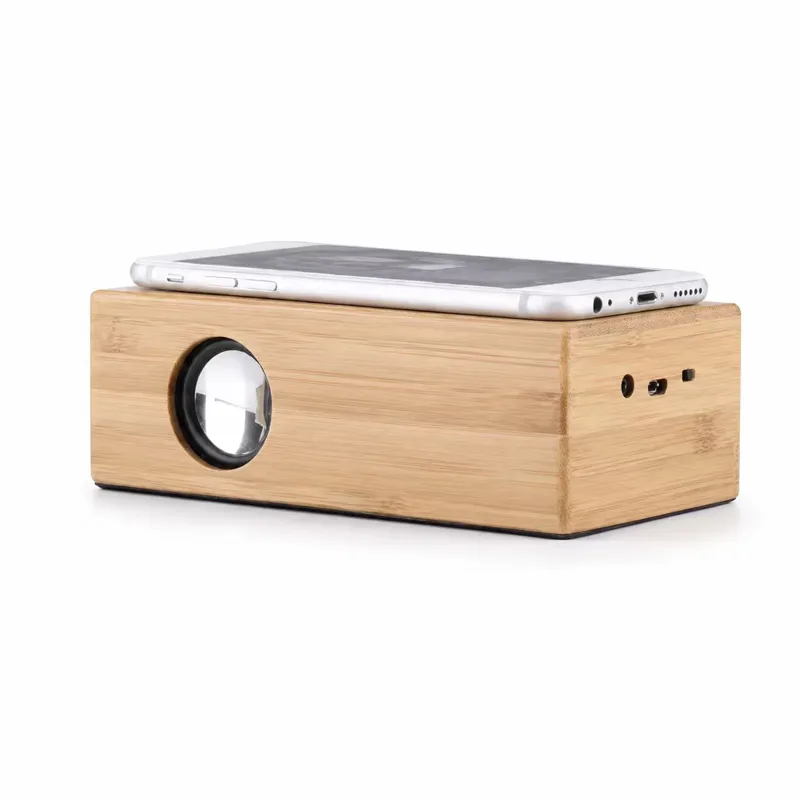
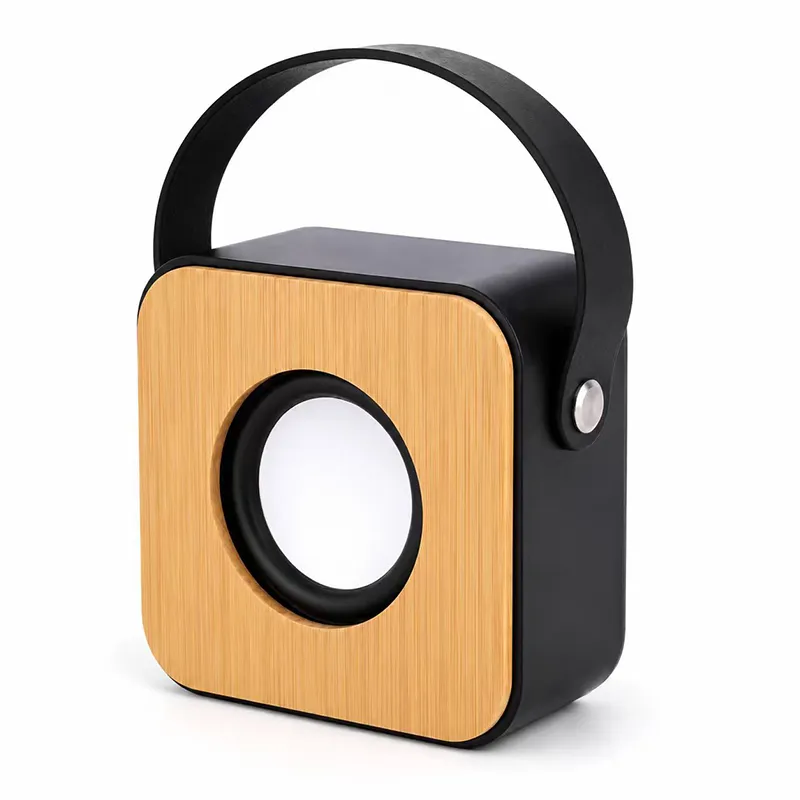
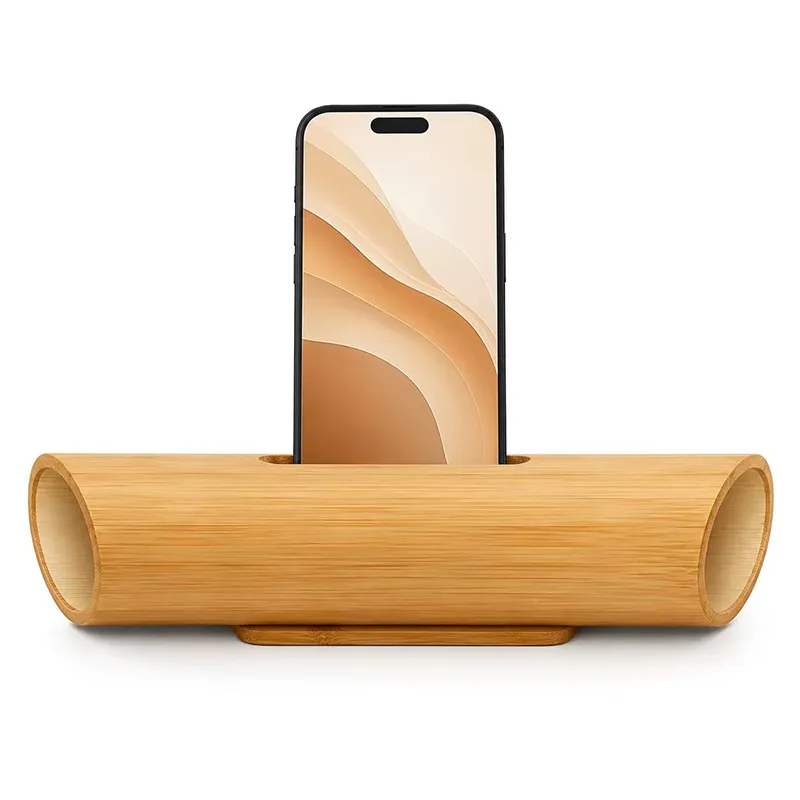
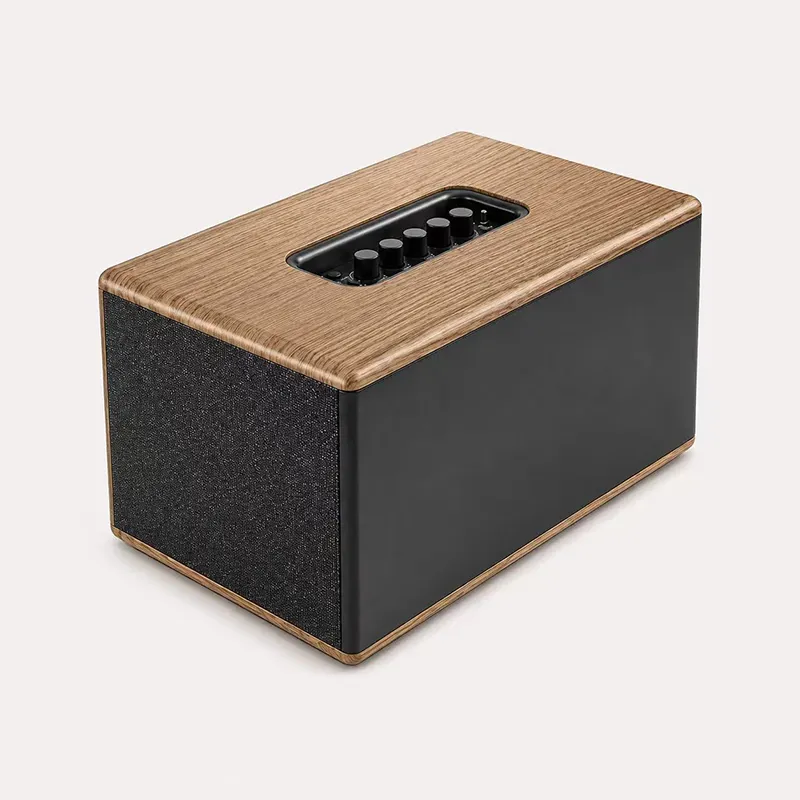
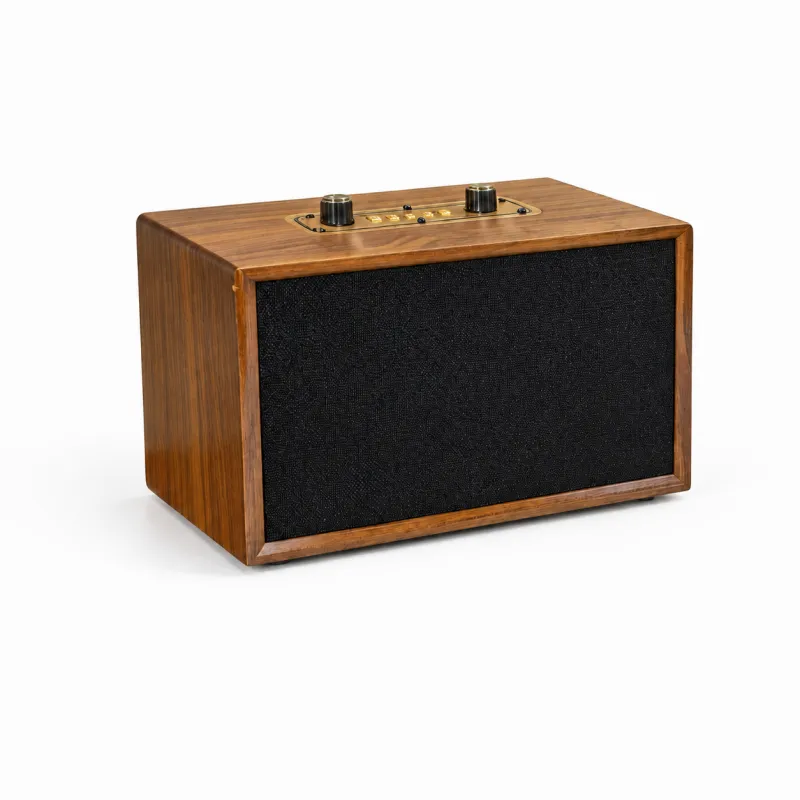
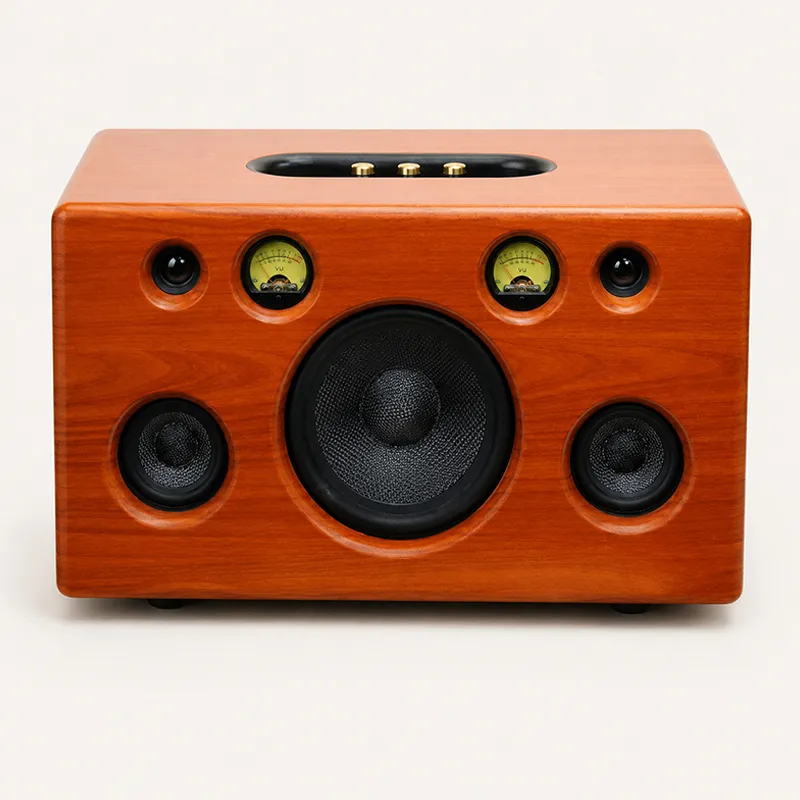
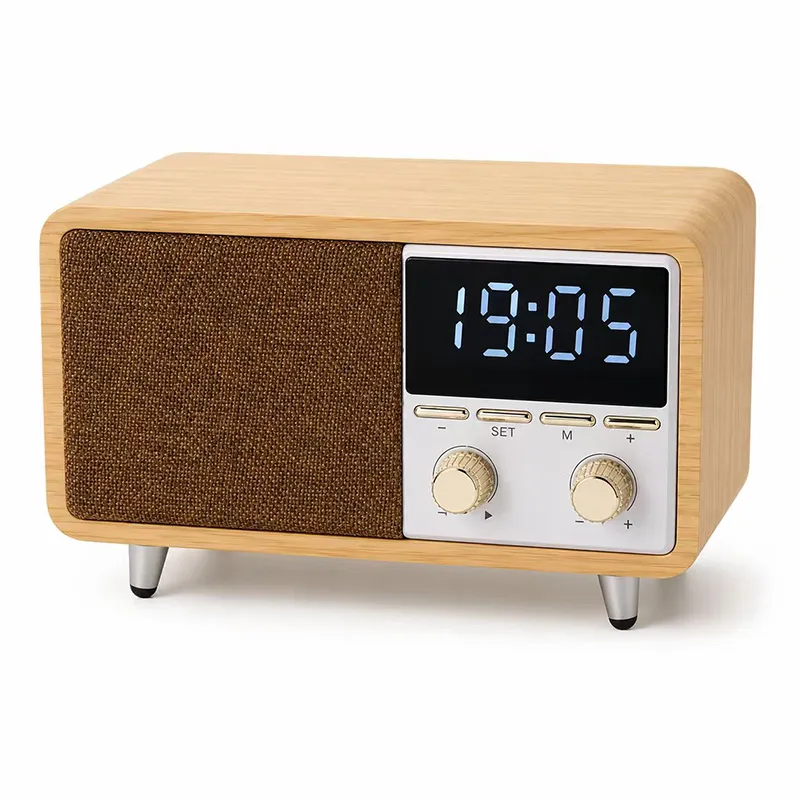
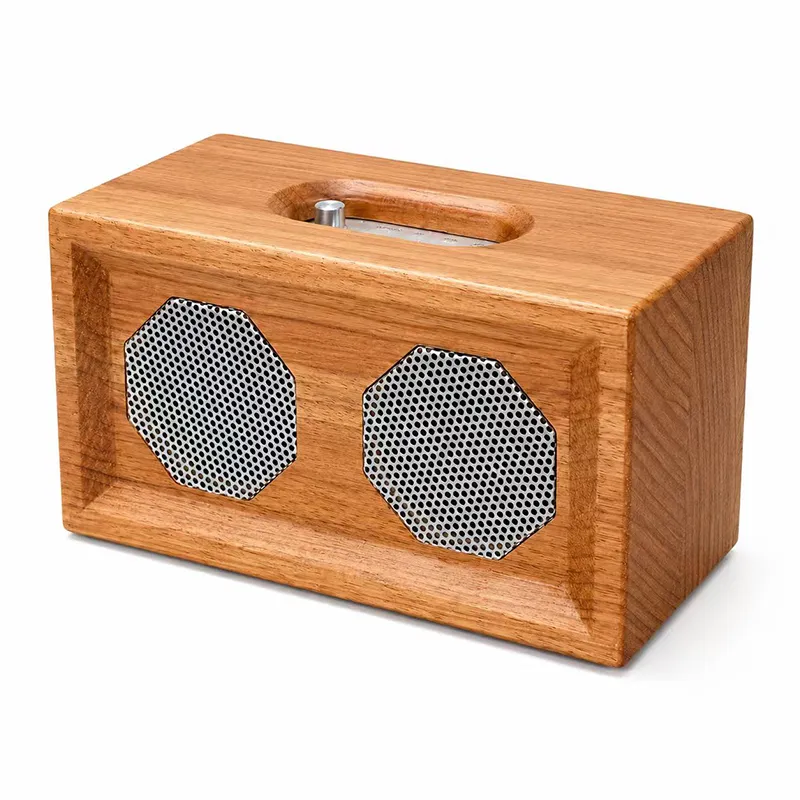
Environmental exposure is a leading cause of irreversible damage to wood Bluetooth speakers, particularly for units applied in outdoor scenarios, and buyers should take key environmental adaptability into consideration during bulk sourcing.
Industry data shows that water-related issues account for approximately 18–22% of all portable speaker failures, while high-temperature exposure can speed up battery degradation to twice the rate under normal conditions. To effectively reduce such damage risks, it is advisable to select speakers equipped with IPX5 to IPX7 waterproof ratings for outdoor applications. Buyers should also avoid using or placing the devices in environments with temperatures above 45°C for extended periods, as extreme heat greatly accelerates battery aging.
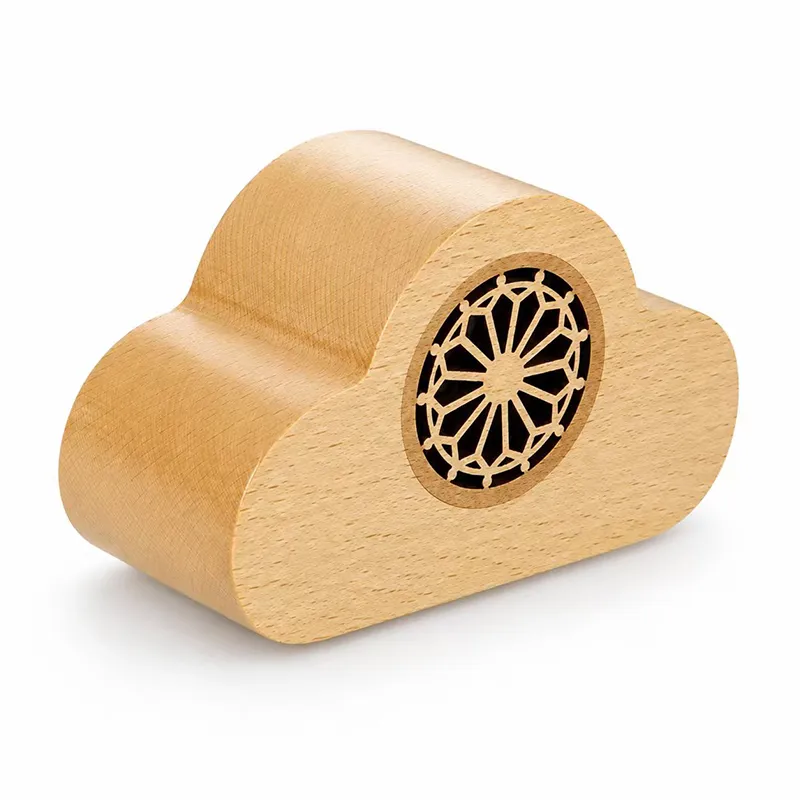
Additionally, keeping the speakers away from fine dust, sand and smoke can prevent internal component wear, and any accidentally wet devices should be dried promptly to avoid permanent functional damage.
Maintaining portable Bluetooth speakers is not complicated, but it requires consistent habits across charging, storage, and environmental protection. Small adjustments such as avoiding deep discharge, controlling heat exposure, and storing at proper battery levels can significantly extend product lifespan and maintain stable audio performance.
With careful engineering and material selection, xianspeaker continues to develop wooden Bluetooth speakers that combine durability, acoustic performance, and long-term reliability for global users.
Most portable Bluetooth speakers last around 2–5 years, depending heavily on battery usage habits and environmental exposure.
Yes, frequent overnight charging can increase battery stress and reduce lifespan by around 15–20% over time.
Keeping the battery at 40%–60% is generally considered optimal for preserving battery health.
This is often caused by dust accumulation on the mesh or natural driver wear over time.
Use a dry microfiber cloth and avoid liquid cleaners unless they are specifically designed for electronics.