





Choosing high-end home audio speakers is no longer just about loudness—it is about achieving a balanced, immersive sound experience tailored to your living environment. With modern home audio systems ranging from $200 entry-level premium models to $5,000+ audiophile-grade setups, understanding what truly affects performance is essential before making a purchase decision.
This guide breaks down the key factors that influence speaker performance and helps families select the most suitable system based on real usage scenarios, room size, and budget expectations.
Sound quality in high-end home audio speakers is primarily determined by frequency response, clarity, soundstage width, and distortion control, which together define how natural and immersive the audio feels in a real environment.
High-end speakers typically cover a frequency range of 20Hz–20kHz, which aligns with the full human hearing spectrum. A lower distortion rate (THD below 1%) ensures cleaner sound reproduction, especially at higher volumes.
Key factors to evaluate include:
Bass depth and control (low-frequency accuracy below 100Hz)
Midrange clarity (vocal and instrument separation)
Treble precision (high-frequency detail above 10kHz)
Soundstage width (perceived spatial audio depth)
According to audio engineering benchmarks, speakers with optimized soundstage design can improve perceived audio immersion by up to 35% compared to standard stereo setups.

Speaker materials directly influence resonance control, durability, and long-term acoustic stability, especially in high-end systems designed for years of use.
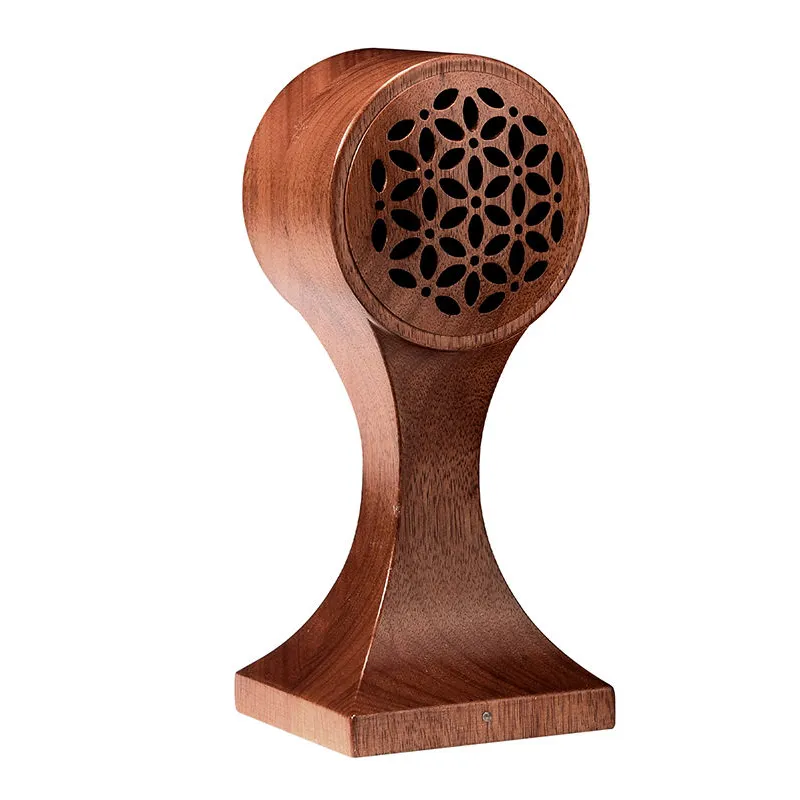
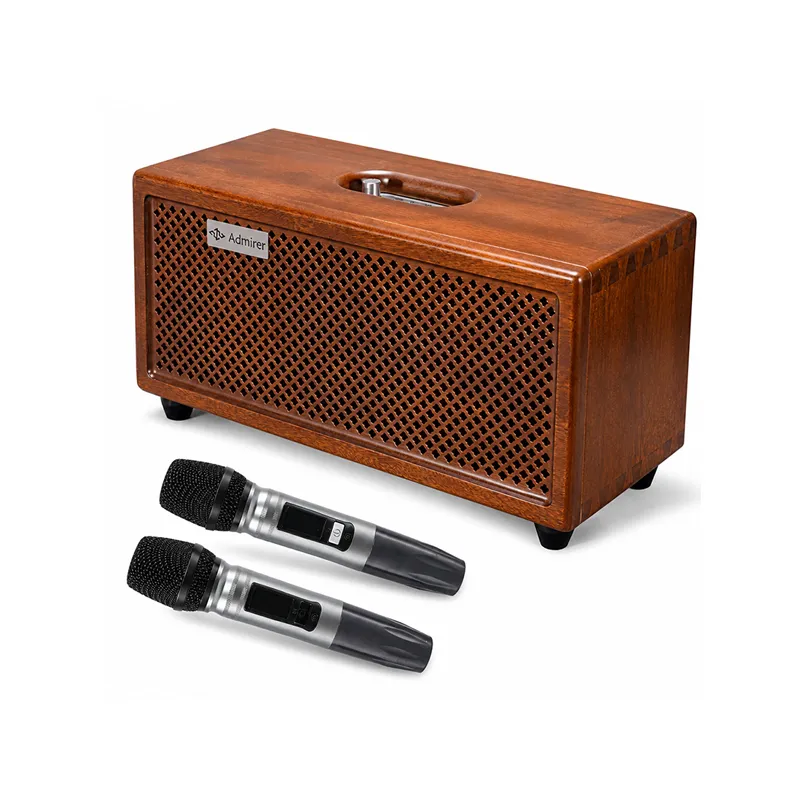
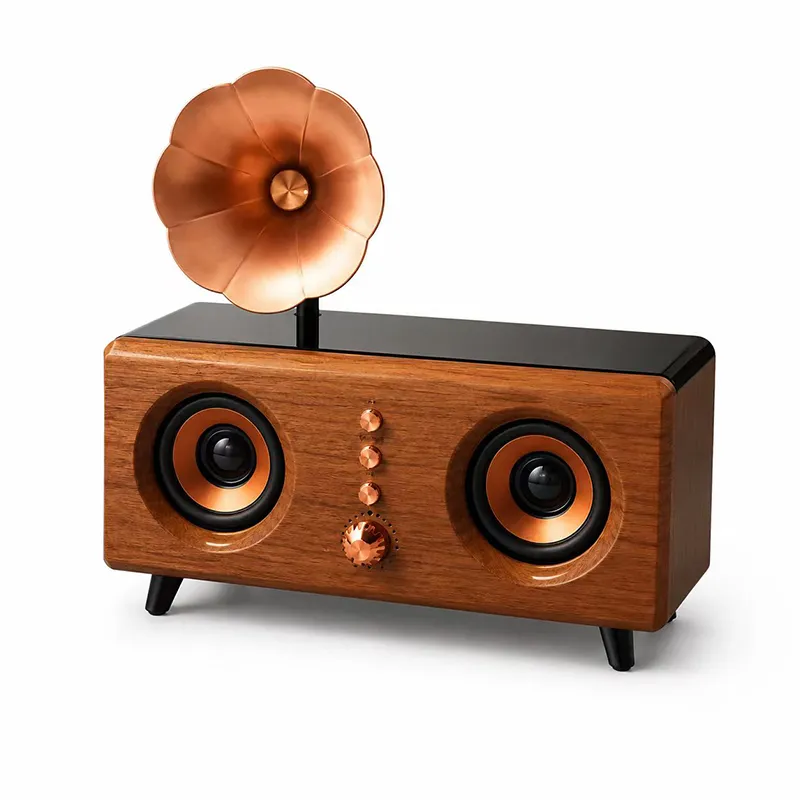
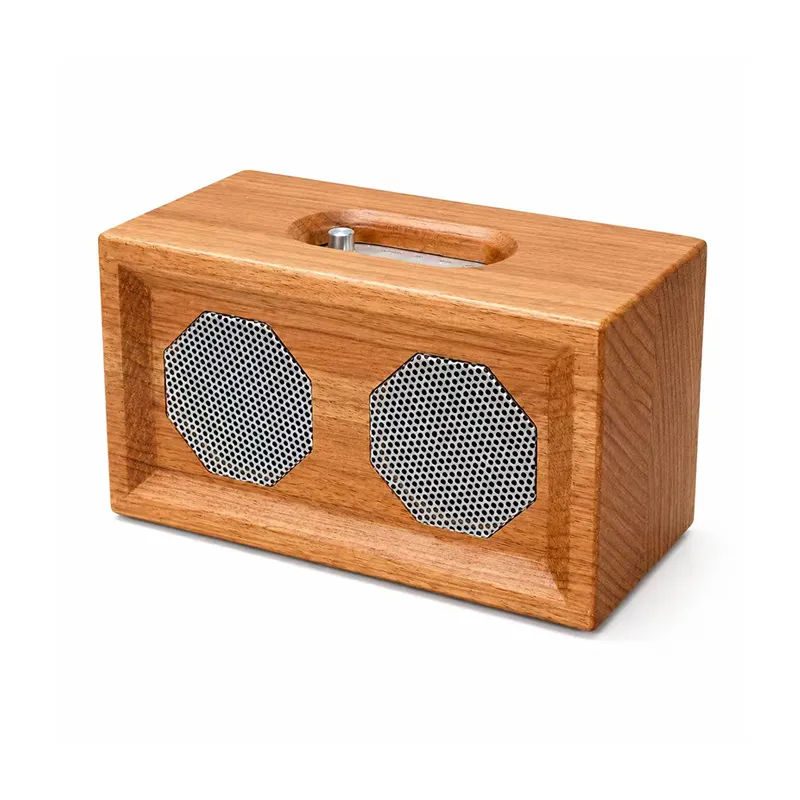
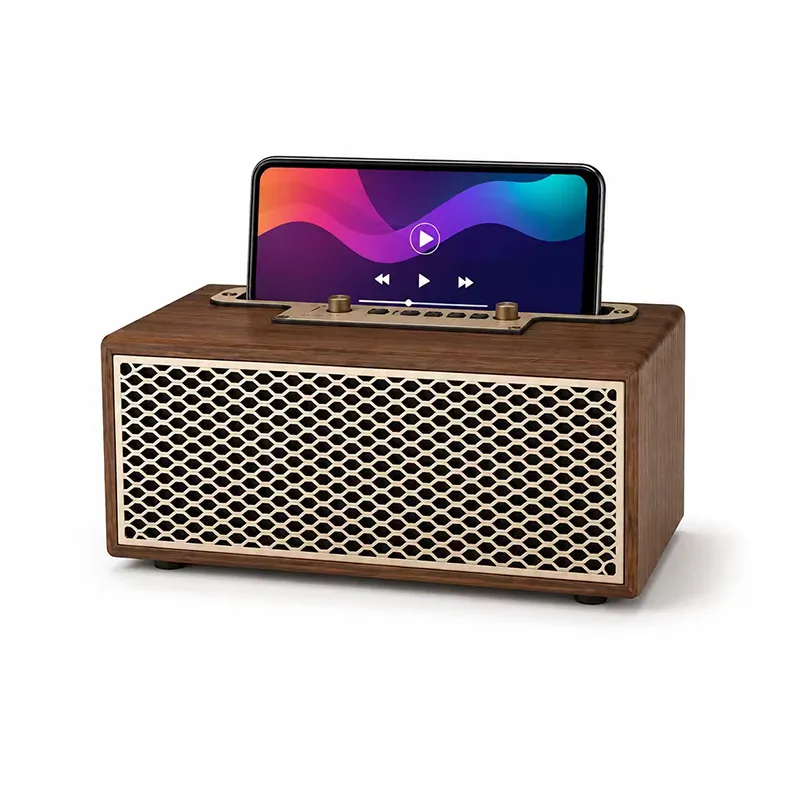
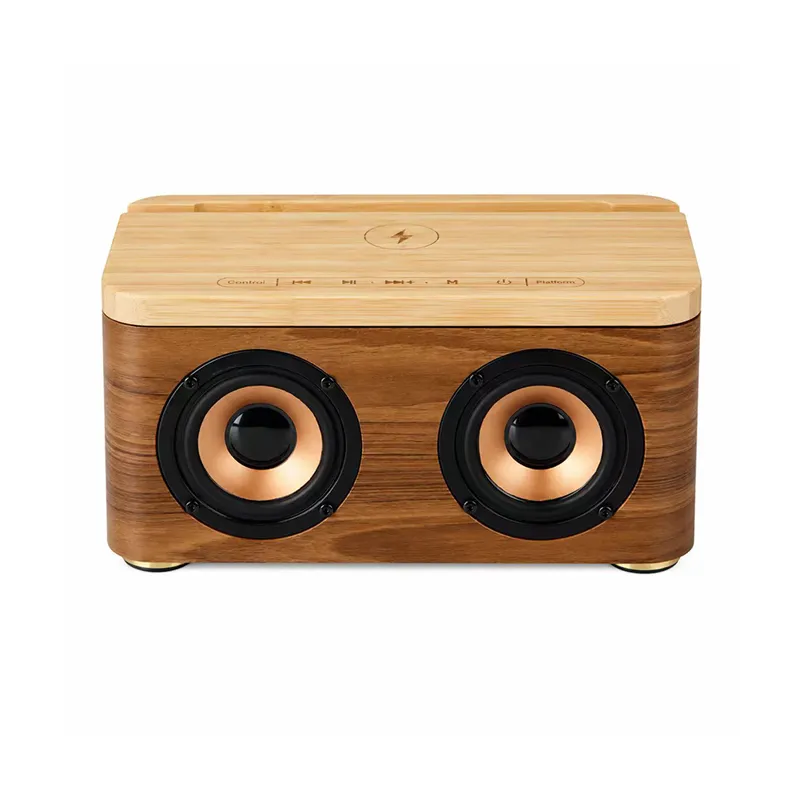
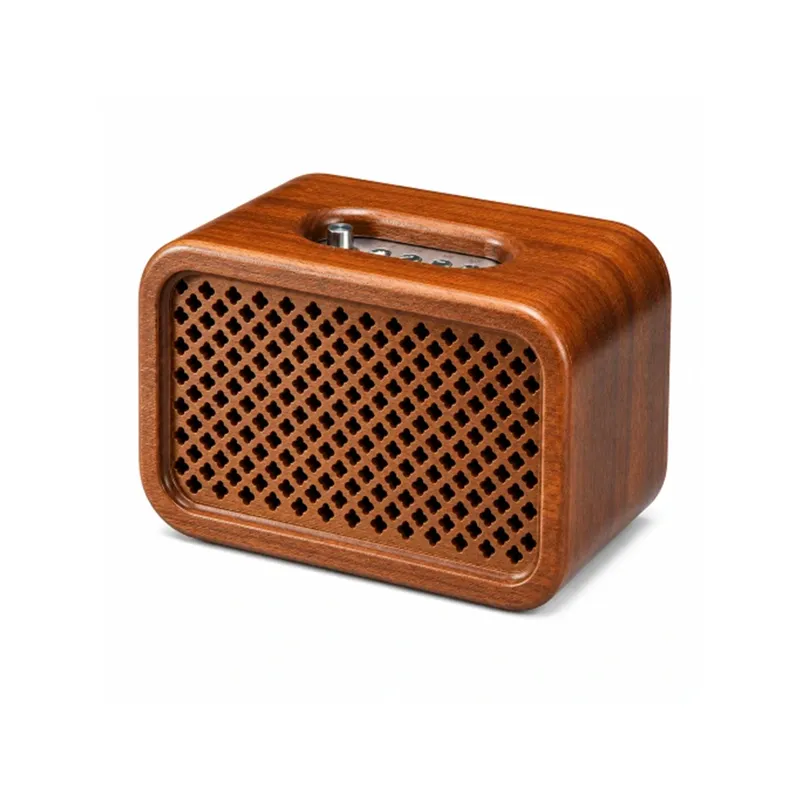
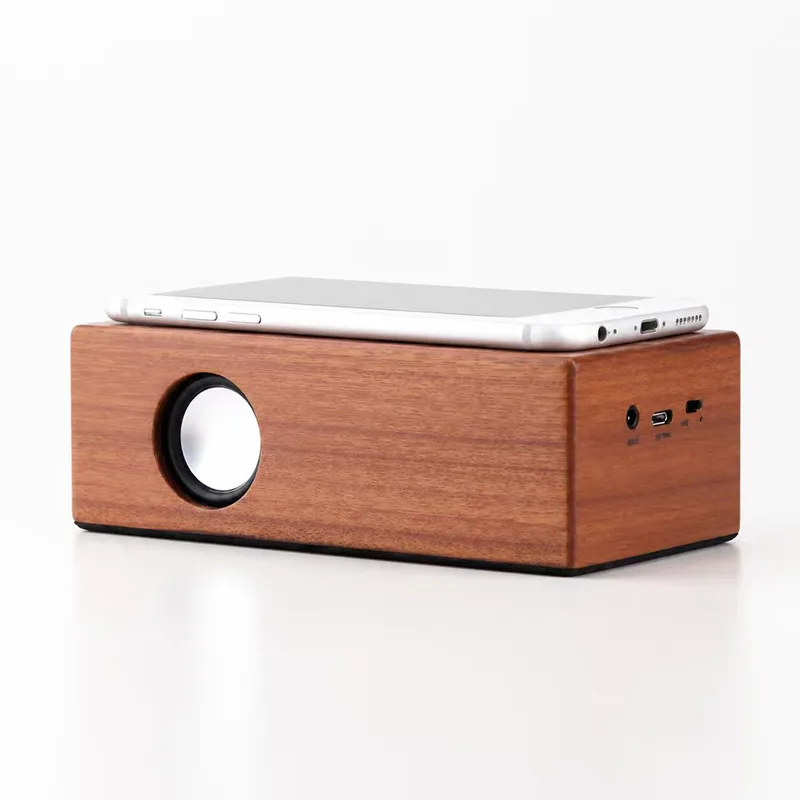
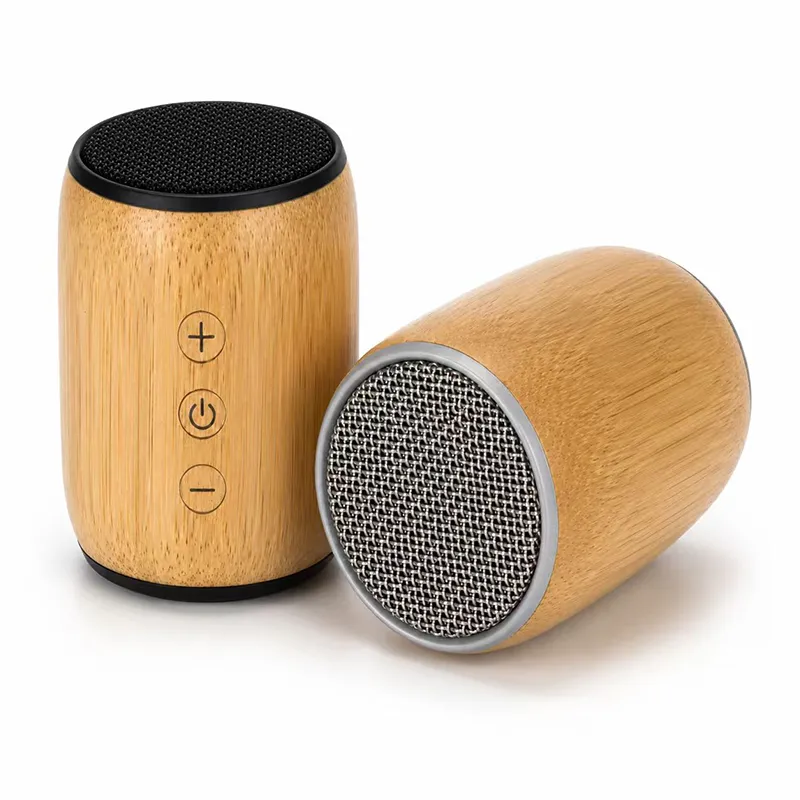
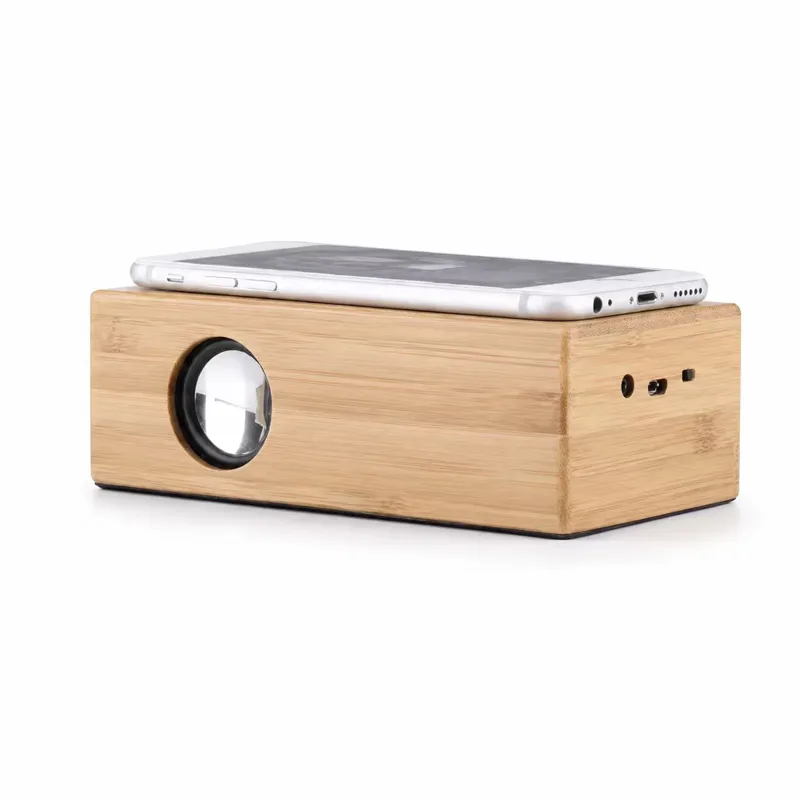
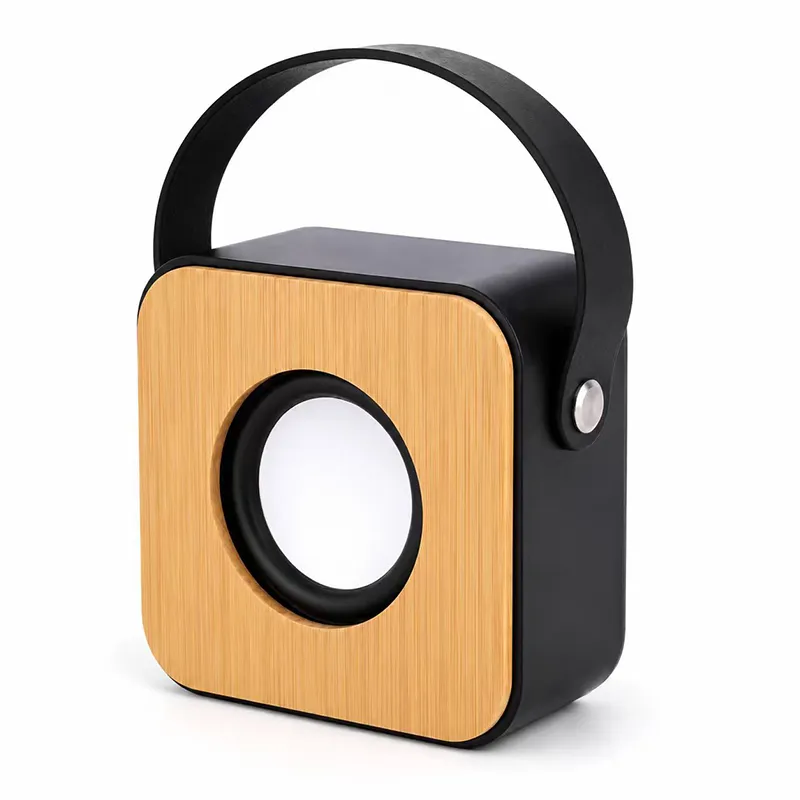
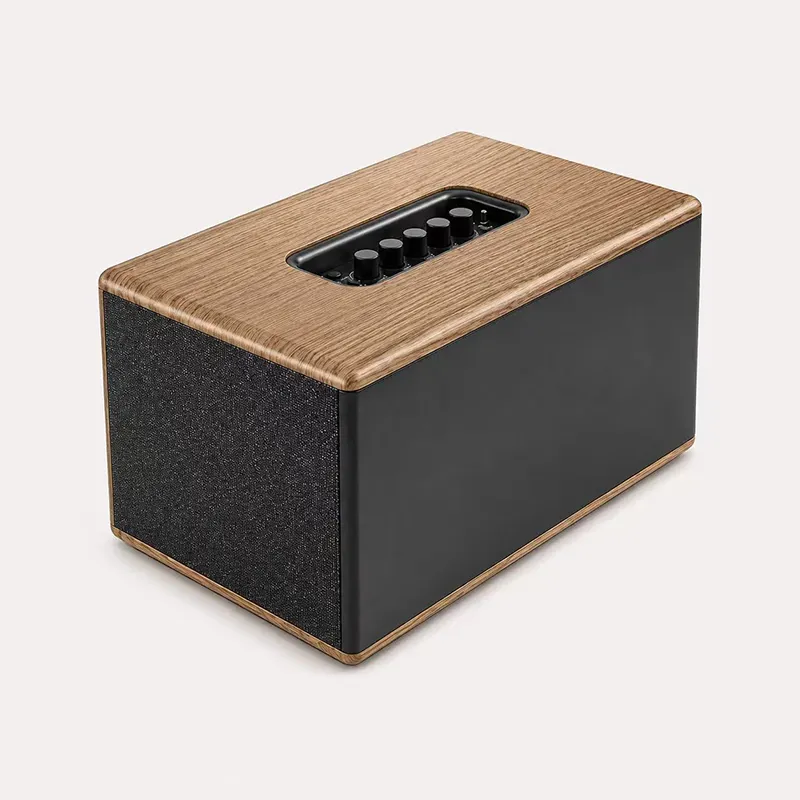
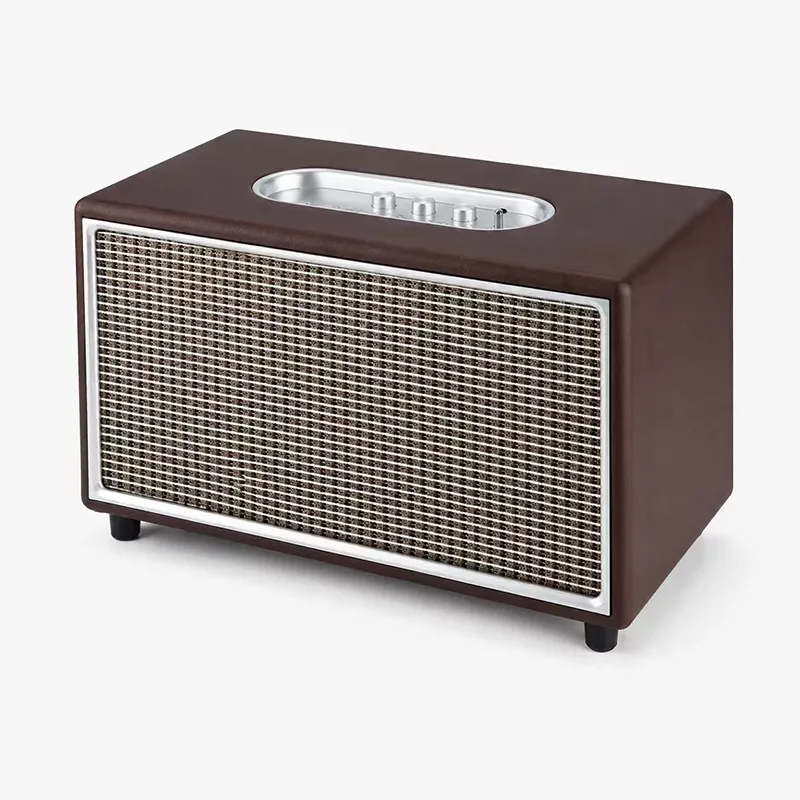
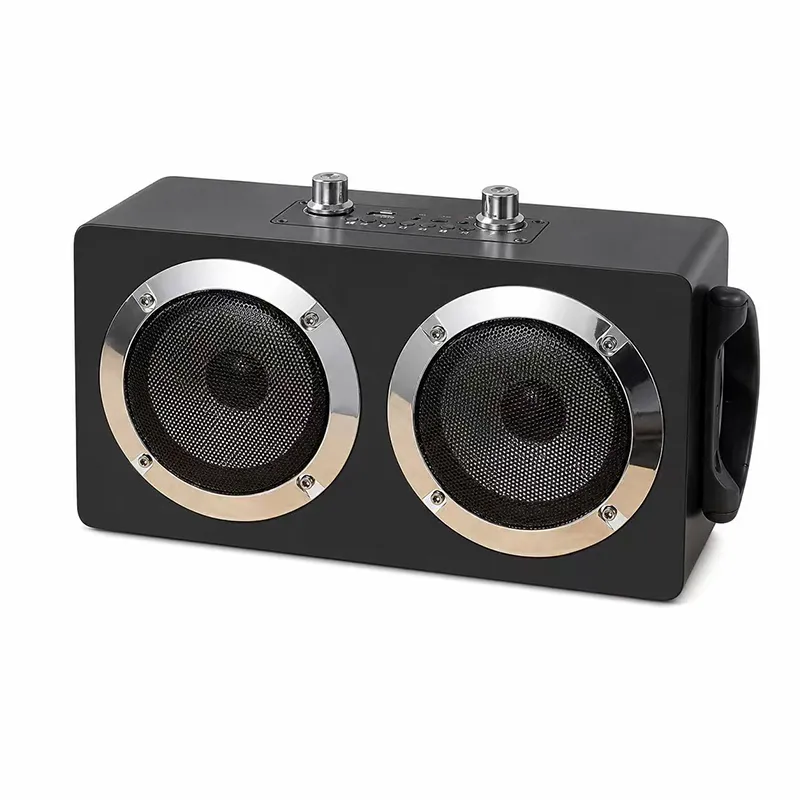
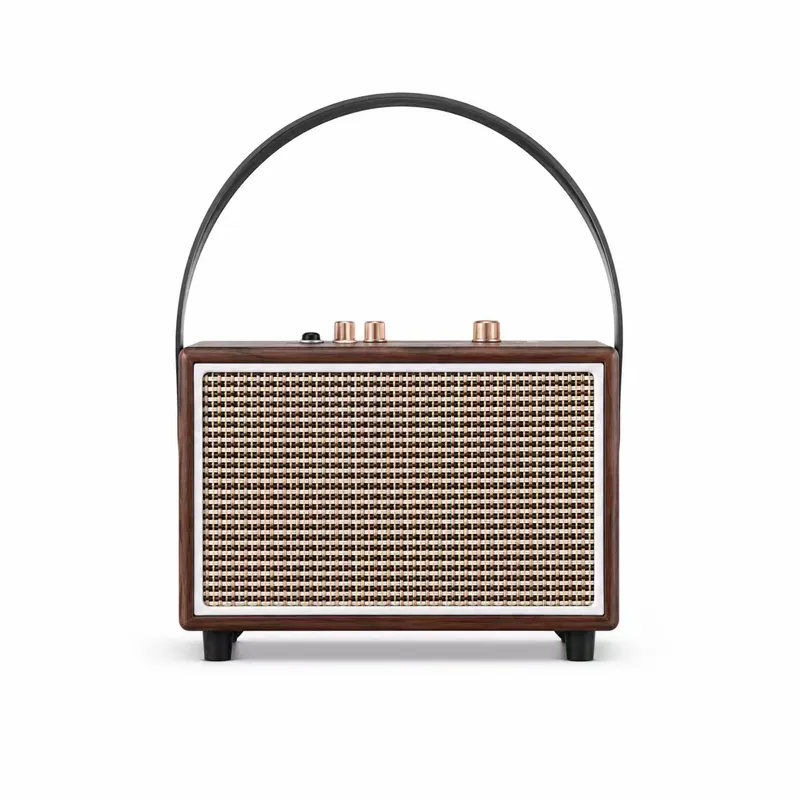
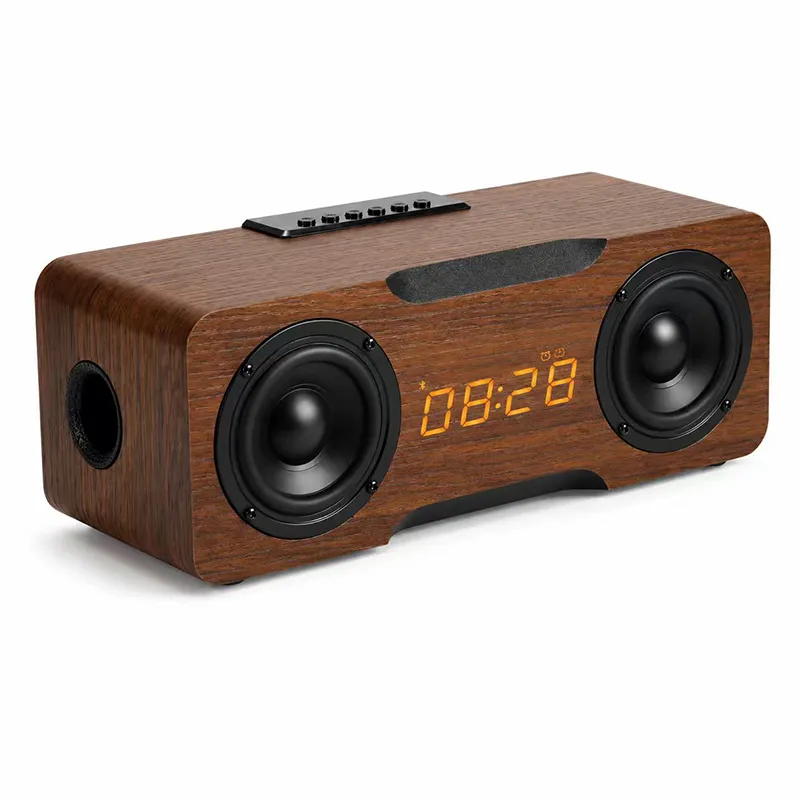
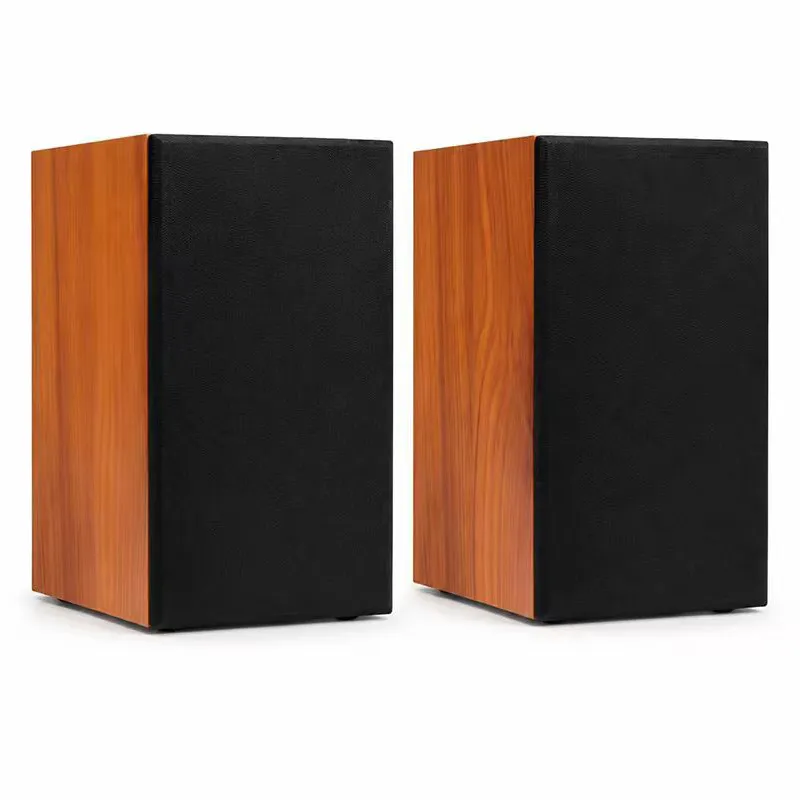
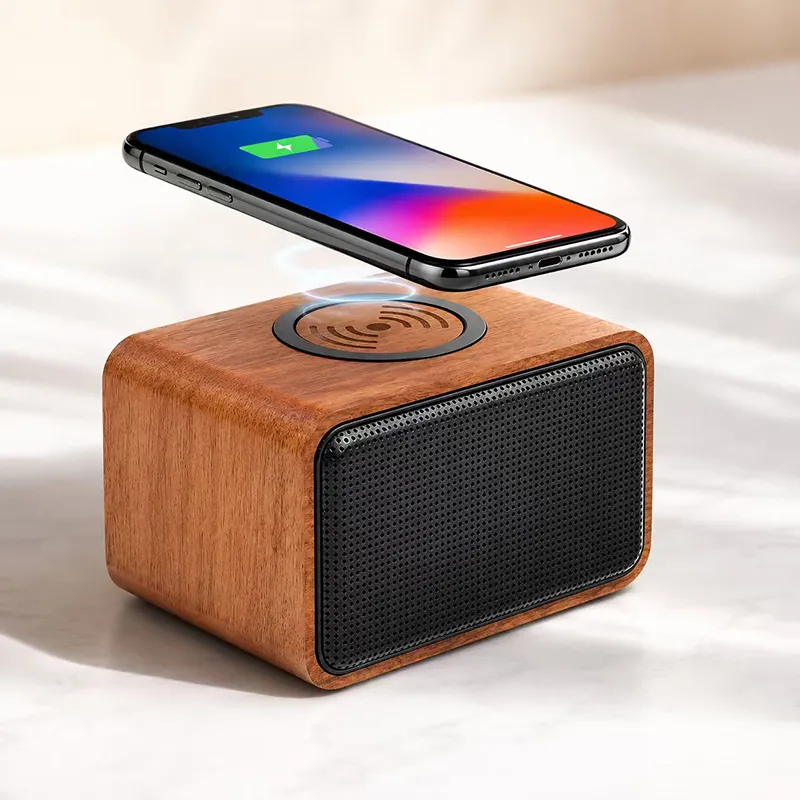
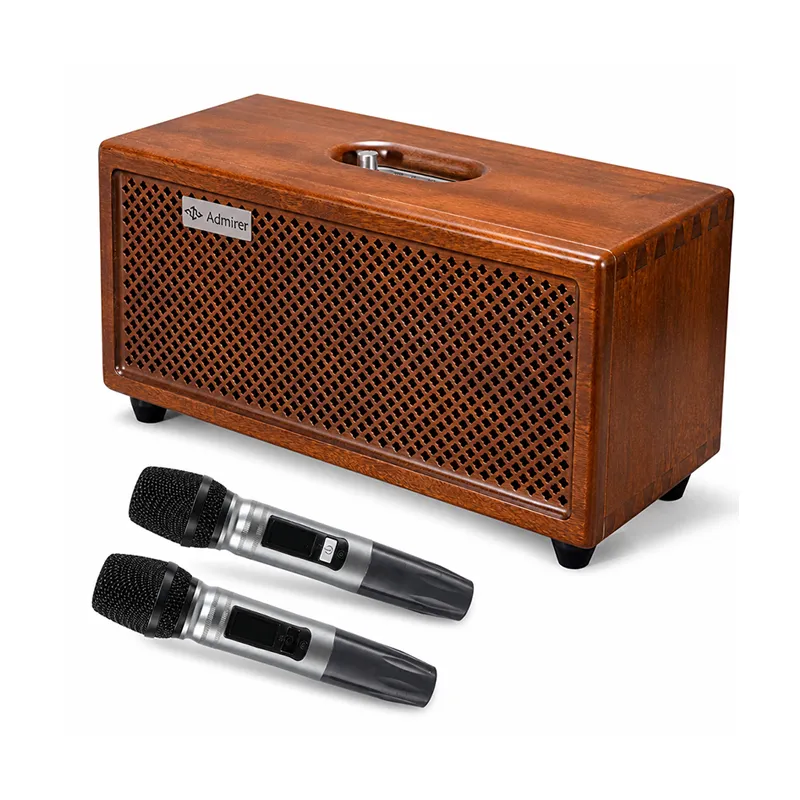
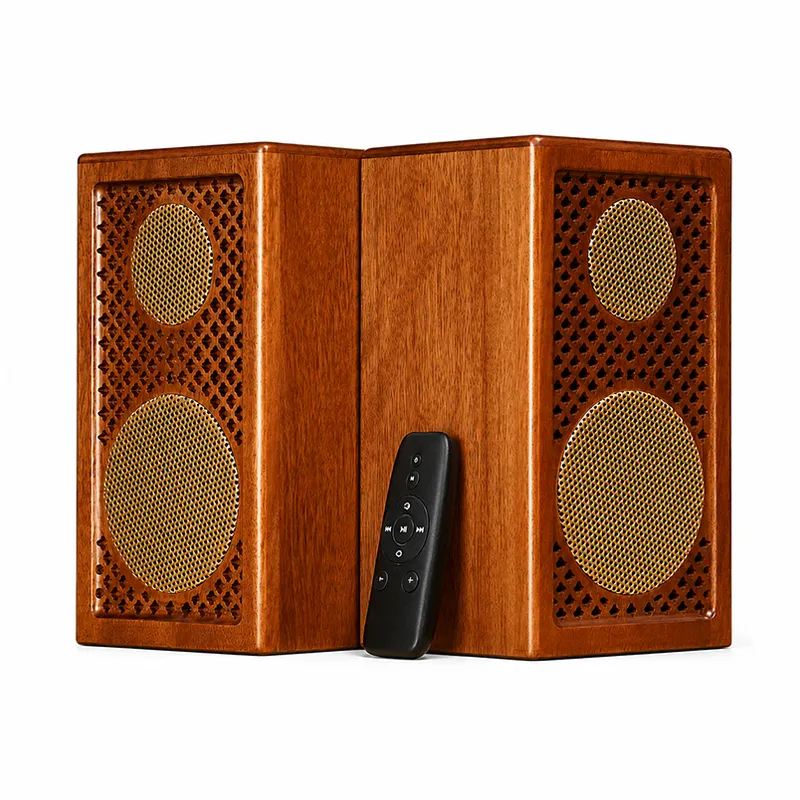
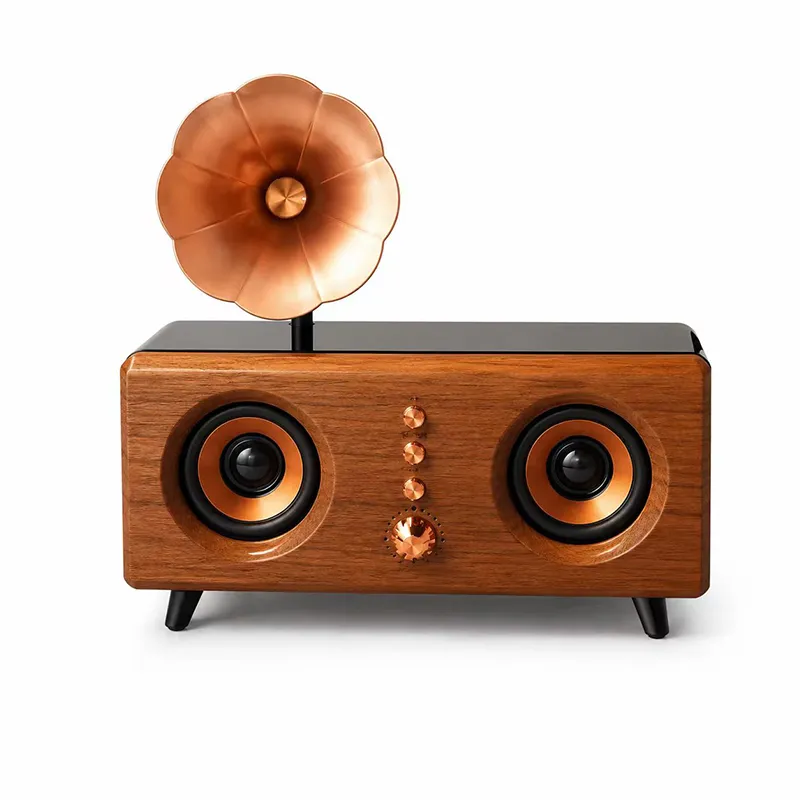
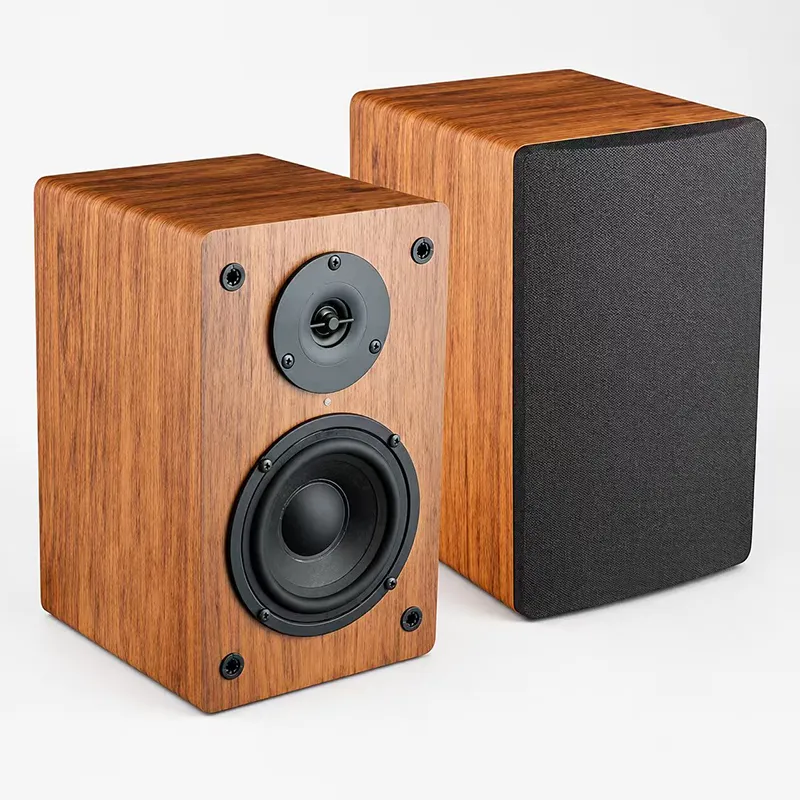
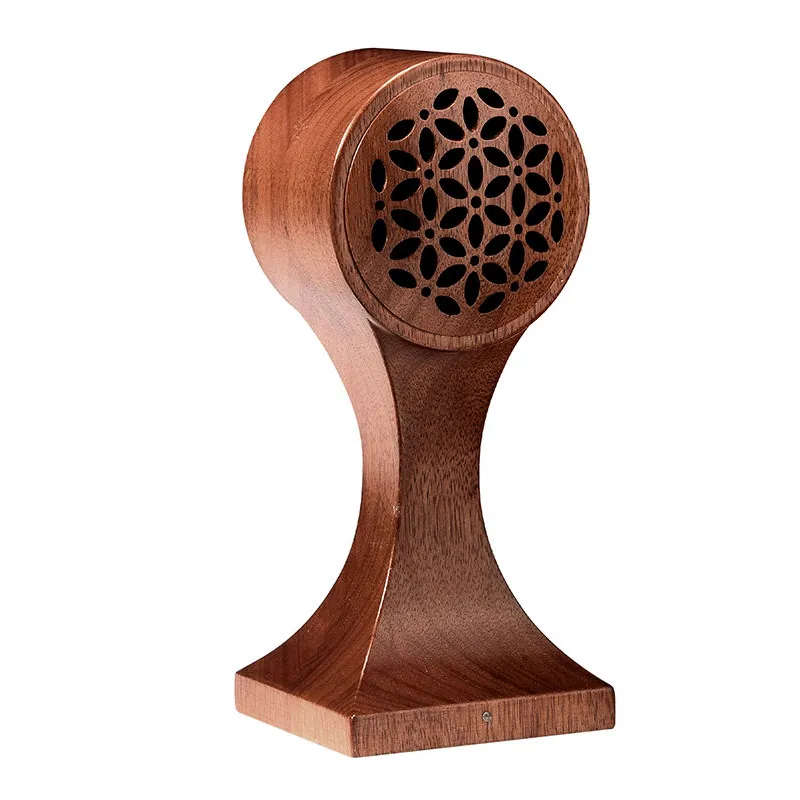
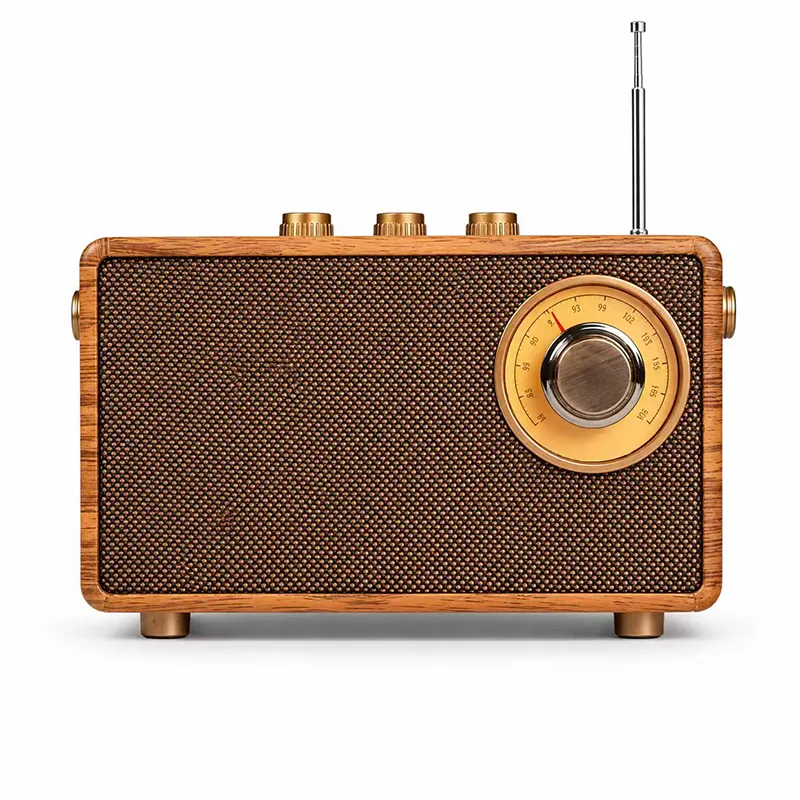
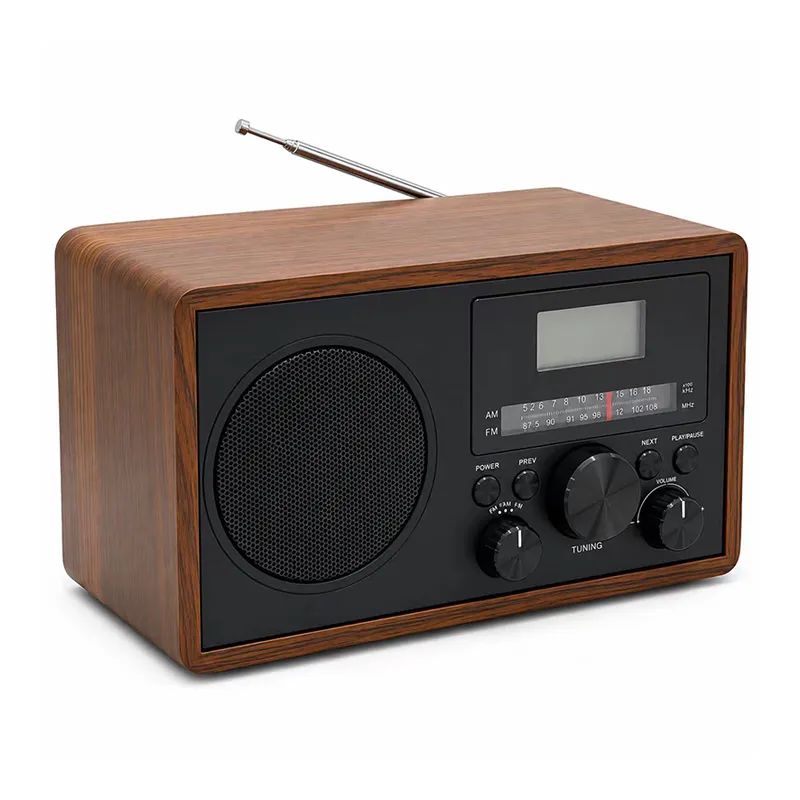
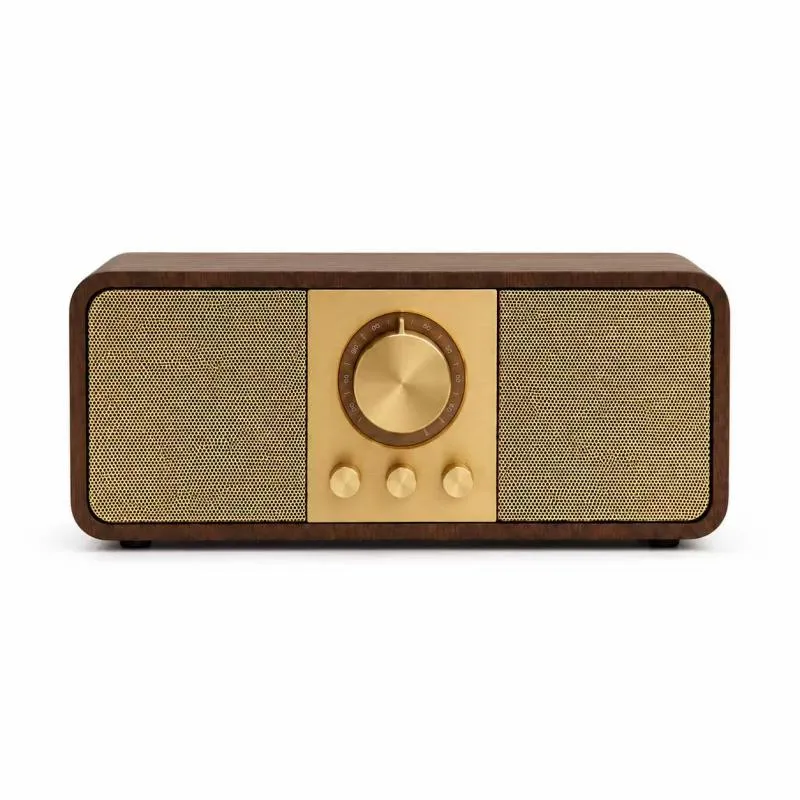
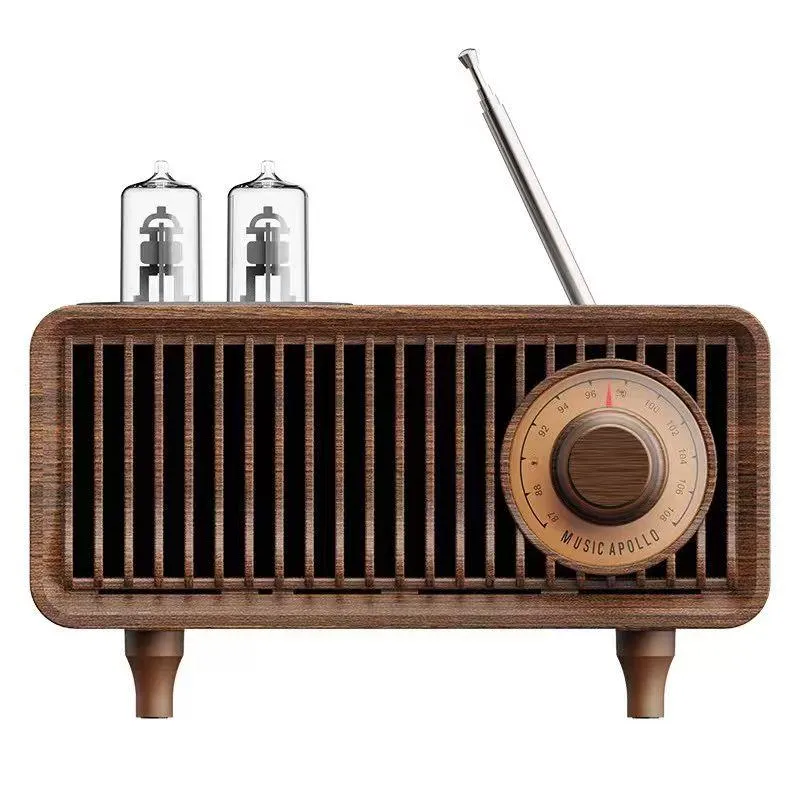
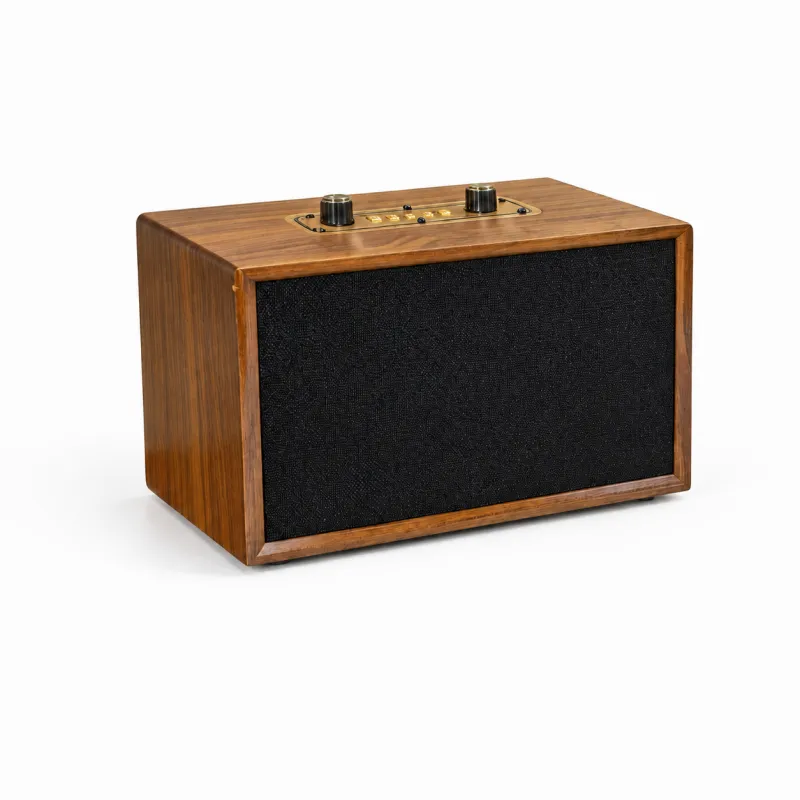
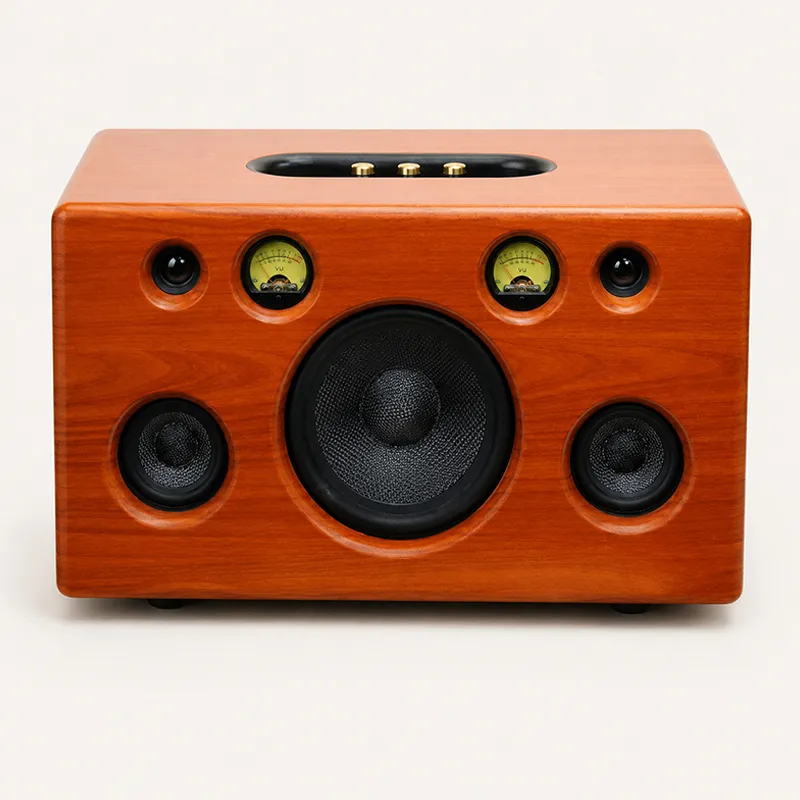
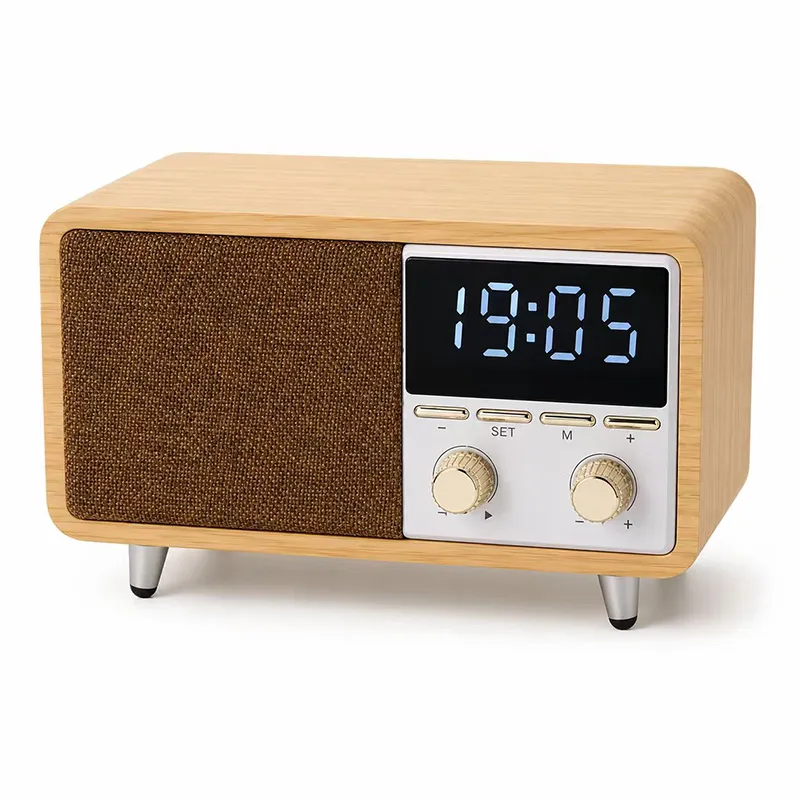
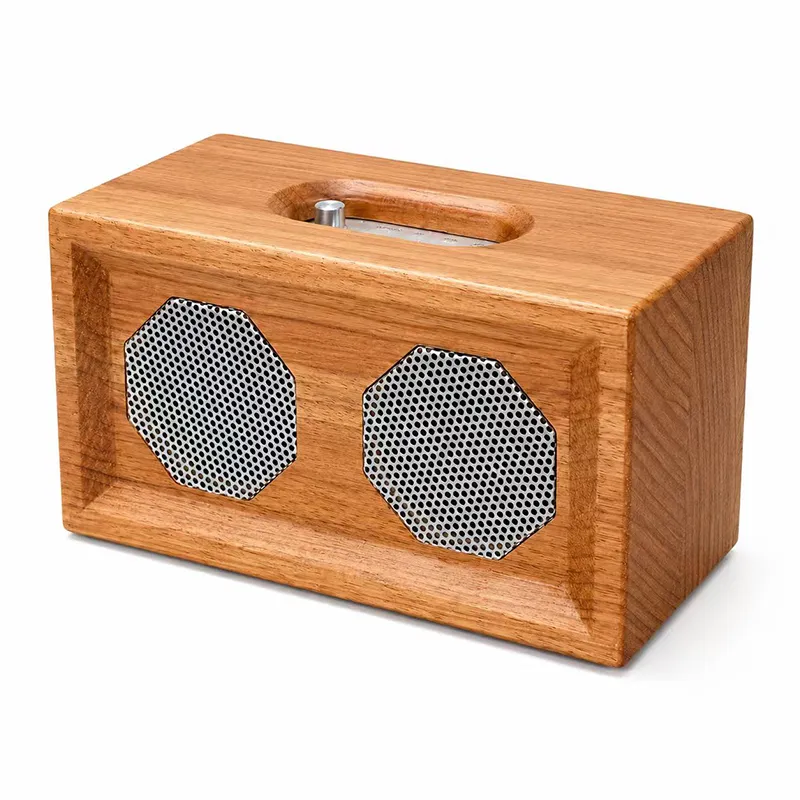
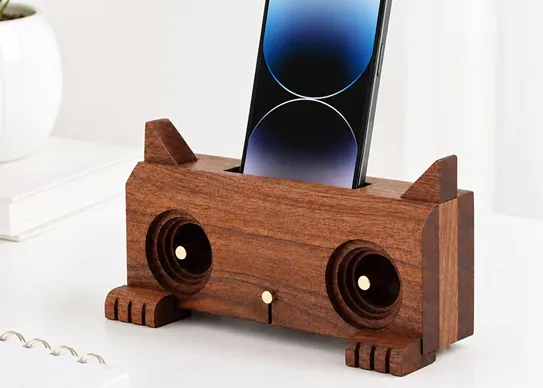
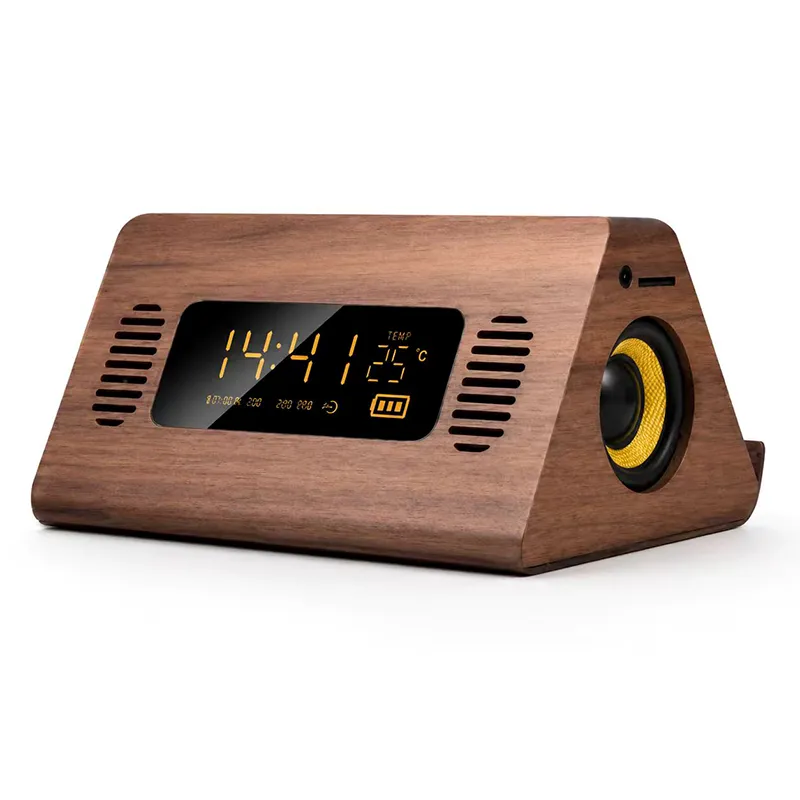
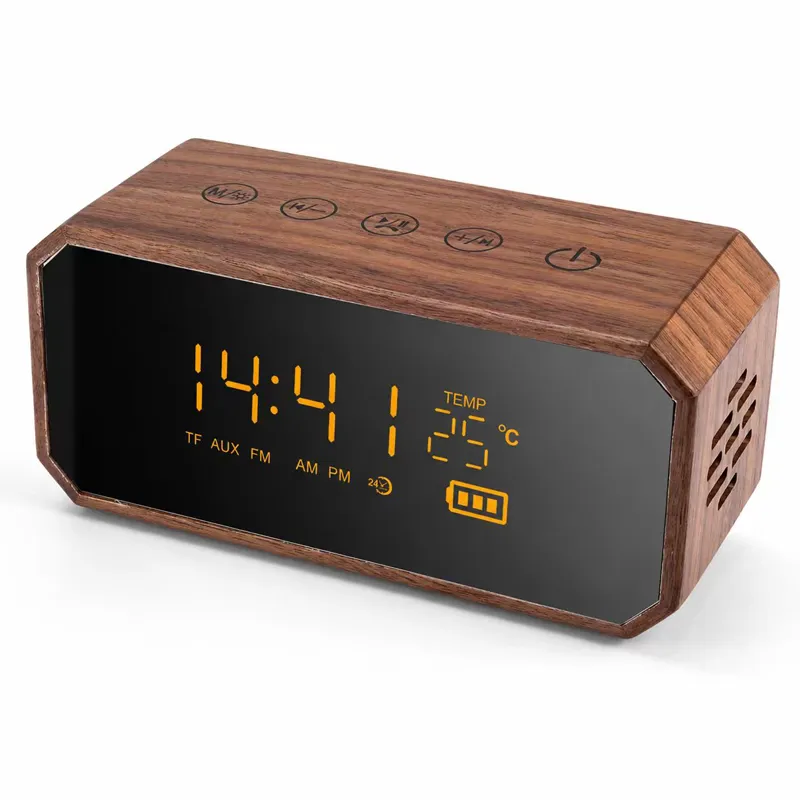
Well-built high-end speakers adopt professional structural and acoustic configurations, utilizing solid wood or engineered wood enclosures to reduce resonance, paired with metal reinforcement for structural stability and acoustic damping materials to minimize internal vibration. Although speaker performance is determined by a combination of multiple factors, properly engineered wooden speaker enclosures are able to deliver warmer and richer sound characteristics. Compared to plastic housings, wooden enclosures can reduce unwanted resonance by approximately 20–30%, leading to more natural sound reproduction and less distortion at high volume levels.
This is why premium manufacturers often emphasize craftsmanship alongside acoustic engineering, as both directly affect long-term listening consistency.
Budget planning for high-end home audio systems depends on room size, listening expectations, and system complexity, with most households falling into three practical investment tiers.
Typical market segmentation:
Entry High-End: $200–$800 (small rooms, casual listening)
Mid Range: $800–$2,500 (balanced home use, better soundstage)
Premium Tier: $2,500–$5,000+ (home theater or audiophile experience)
Industry data shows that households investing around 8–12% of their entertainment budget into audio systems report significantly higher satisfaction levels compared to lower-budget setups.
A practical approach is to allocate budget not only for speakers but also for amplification and room optimization, which can account for up to 40% of total sound quality impact.
Different home environments require different speaker configurations to achieve optimal acoustic performance and user experience.
Common setup recommendations:
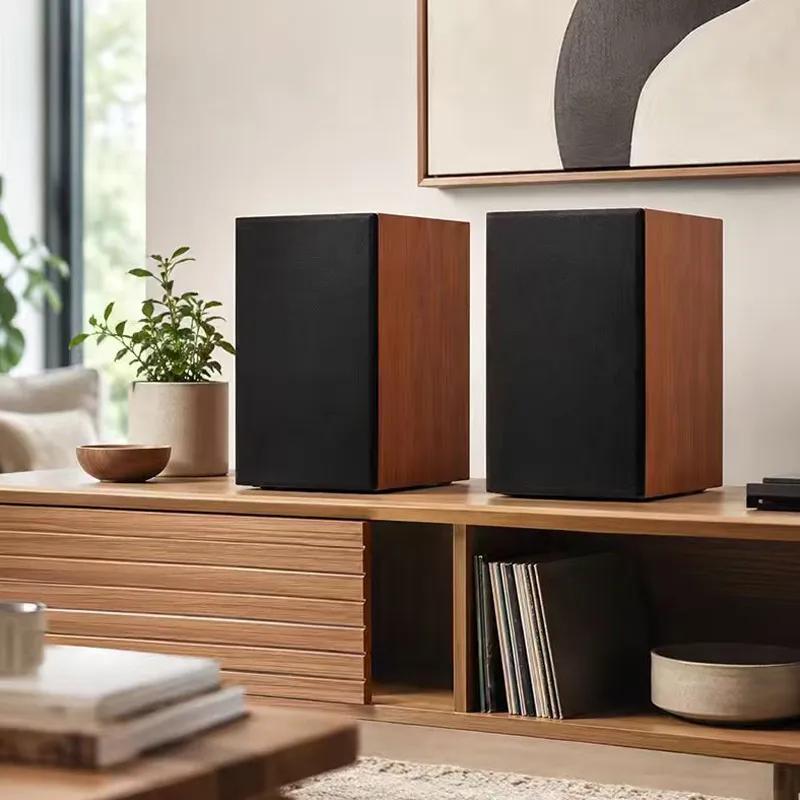
Small bedrooms (10–15㎡): bookshelf speakers with near-field placement
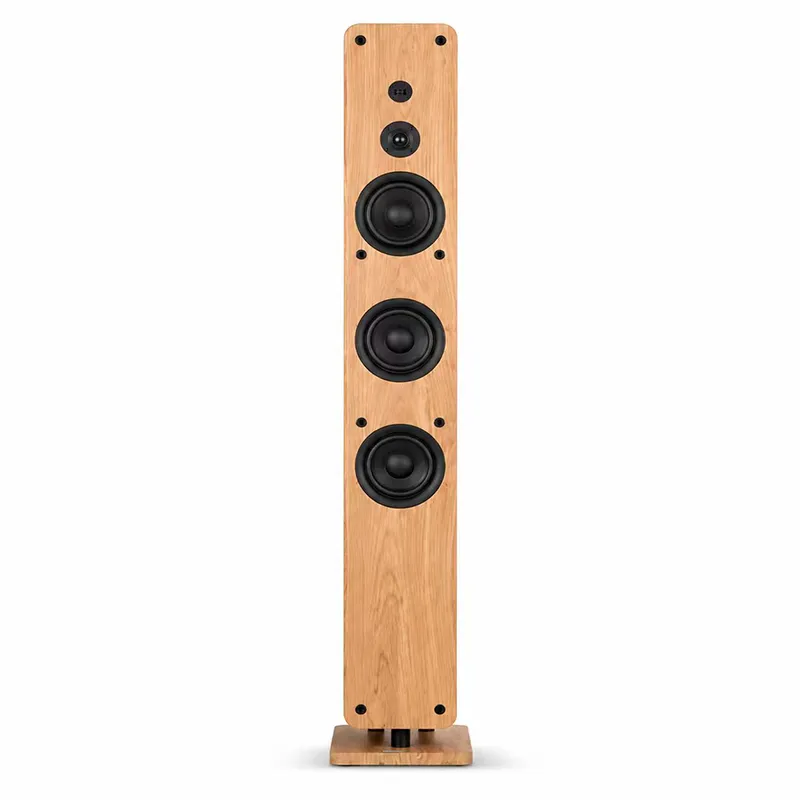
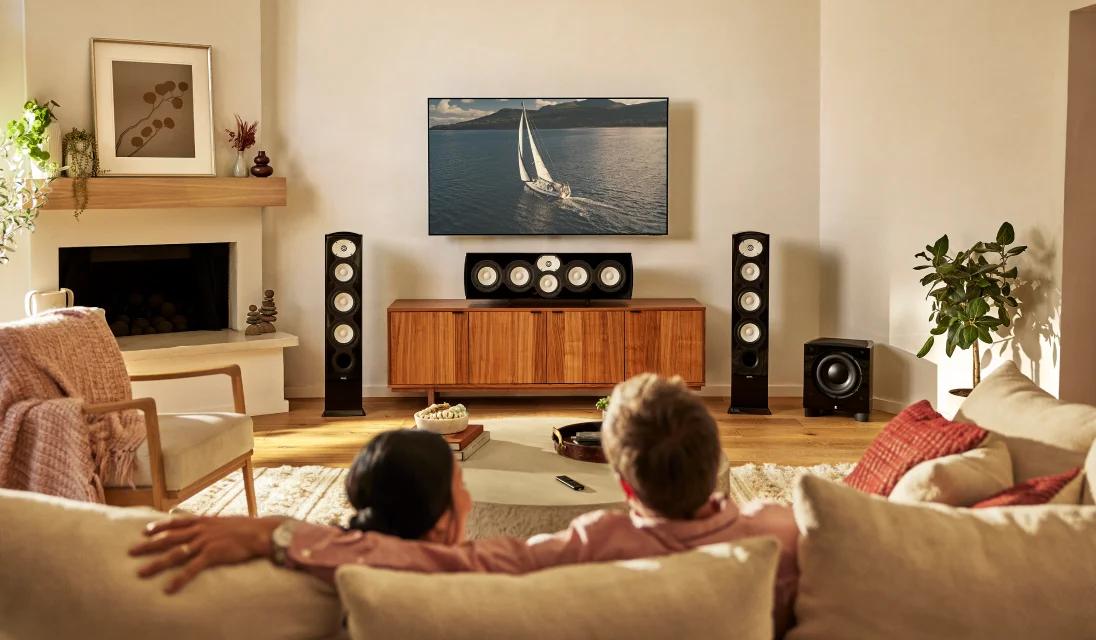
Medium living rooms (15–30㎡): stereo bookshelf or compact floorstanding system
Large living rooms (>30㎡): 5.1 surround system or high-power floorstanding setup
Open-plan homes: multi-room wireless speaker systems
Proper placement can improve perceived sound quality by up to 25–40%, especially when speakers are positioned at ear level with proper spacing (typically 1.5–3 meters apart for stereo setups).
Selecting the best high-end home audio speakers requires a balance of sound quality, build materials, budget planning, and room-specific setup strategies. Instead of focusing solely on price or brand, understanding how each factor influences performance ensures a more satisfying long-term audio experience.
At xianspeaker, we integrate natural wood aesthetics with precision acoustic engineering to create speaker systems that deliver both emotional warmth and technical excellence for modern homes.
High-end speakers provide better frequency balance, lower distortion, and superior soundstage depth.
Not always—room acoustics and placement can affect up to 40% of overall sound quality.
Most families spend between $800 and $2,500 for a balanced high-end setup.
Yes, especially in small rooms where near-field listening is used.
For stereo setups, 1.5–3 meters spacing is recommended for optimal soundstage.